RADIUS is momentarily closed and will re-open on October 17 with this exhibition.
Participating artists: Allora & Calzadilla with Ted Chiang Brandon Ballengée Dominic Boyer, Cymene Howe and Andri Snær Magnason Marcus Coates Marjolijn Dijkman Raphaël Fischer-Dieskau Eline Kersten Katie Paterson Maarten Vanden Eynde Cecilia Vicuña Sara Vrugt Guest curator: Stef Craps
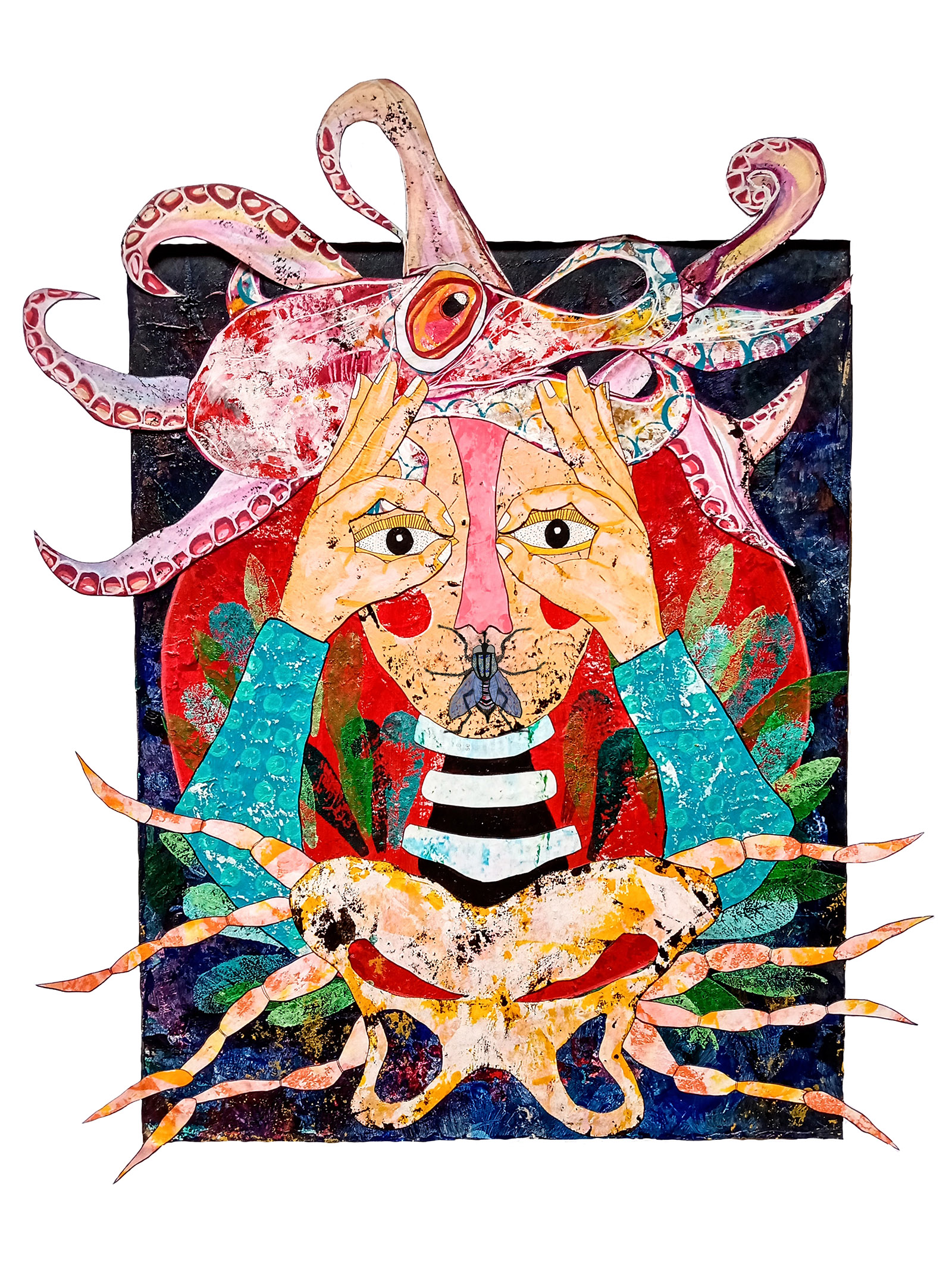
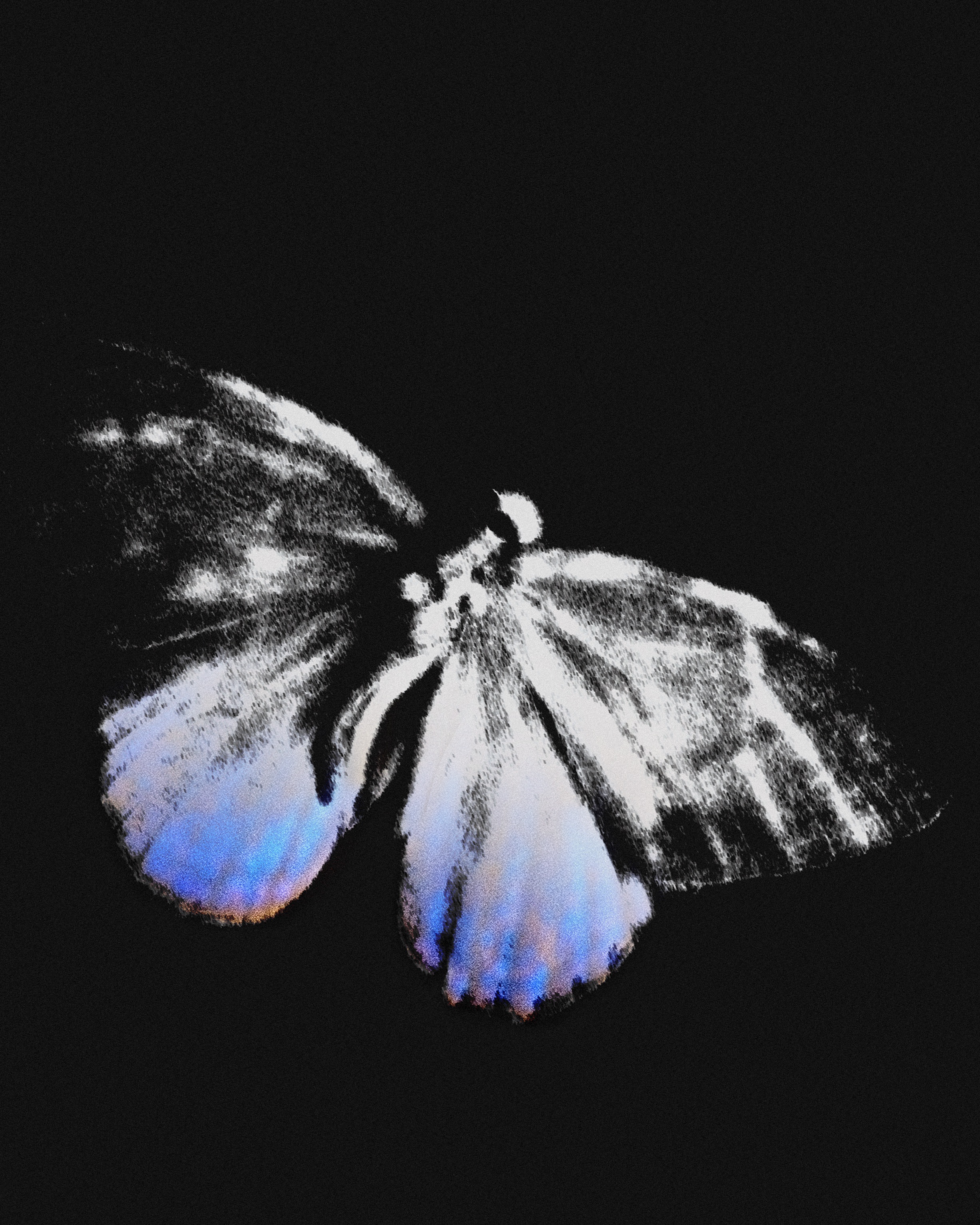
TENDING LOSS — MOURNING BEYOND THE HUMAN campaign image by Özgür Deniz Koldaş.
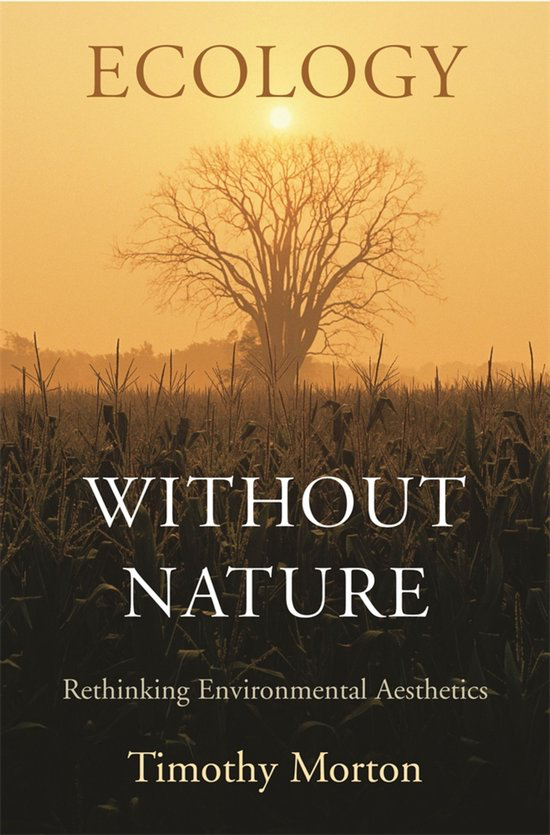
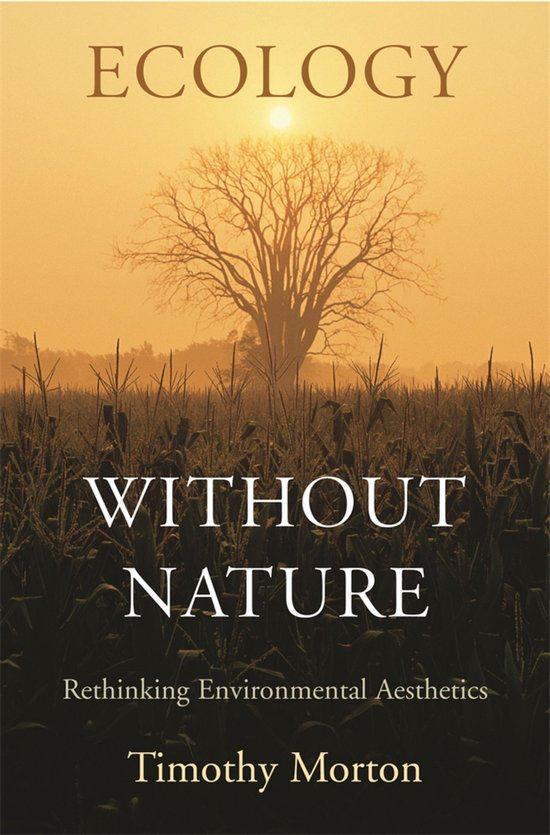
Now is a time for grief to persist, to ring throughout the world. — Timothy Morton, Ecology without Nature
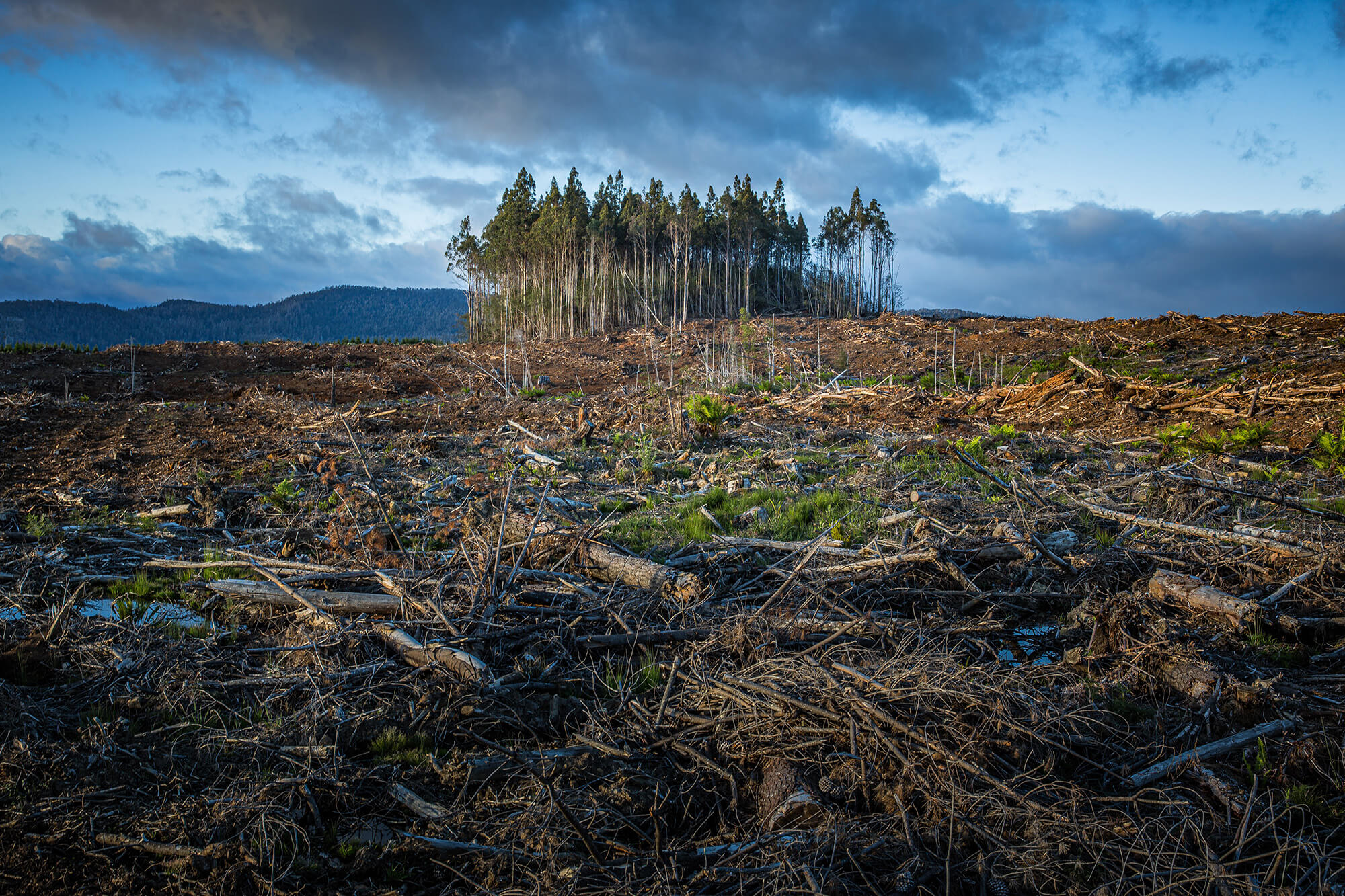
There are losses that arrive with a date, a name, and a body around which people can gather. Others are dispersed across seasons and generations. A bird call is heard less often until it is heard no more. A familiar landscape becomes unrecognisable after drought, fire, extraction, war, or industrial planting. A glacier thins beyond the threshold at which it can still be called a glacier. An ocean fills with plastic that will long outlive its makers and users, contaminating habitats and living bodies. Such losses are not always spectacular or immediately perceptible; many unfold gradually as part of a wider ecological unravelling. Even when one disappearance is final, that unravelling continues, with other losses already under way and more still to come.
TENDING LOSS — MOURNING BEYOND THE HUMAN begins from the recognition that ecological breakdown is also a crisis of feeling and meaning. Climate disruption, biodiversity collapse, toxic pollution, and the degradation of beloved places provoke sorrow, anxiety, anger, guilt, shame, and helplessness. A growing vocabulary has emerged for these emotions. Ecological grief names grief arising from experienced or anticipated losses of species, ecosystems, and cherished landscapes. Eco-anxiety describes apprehension prompted by environmental deterioration.
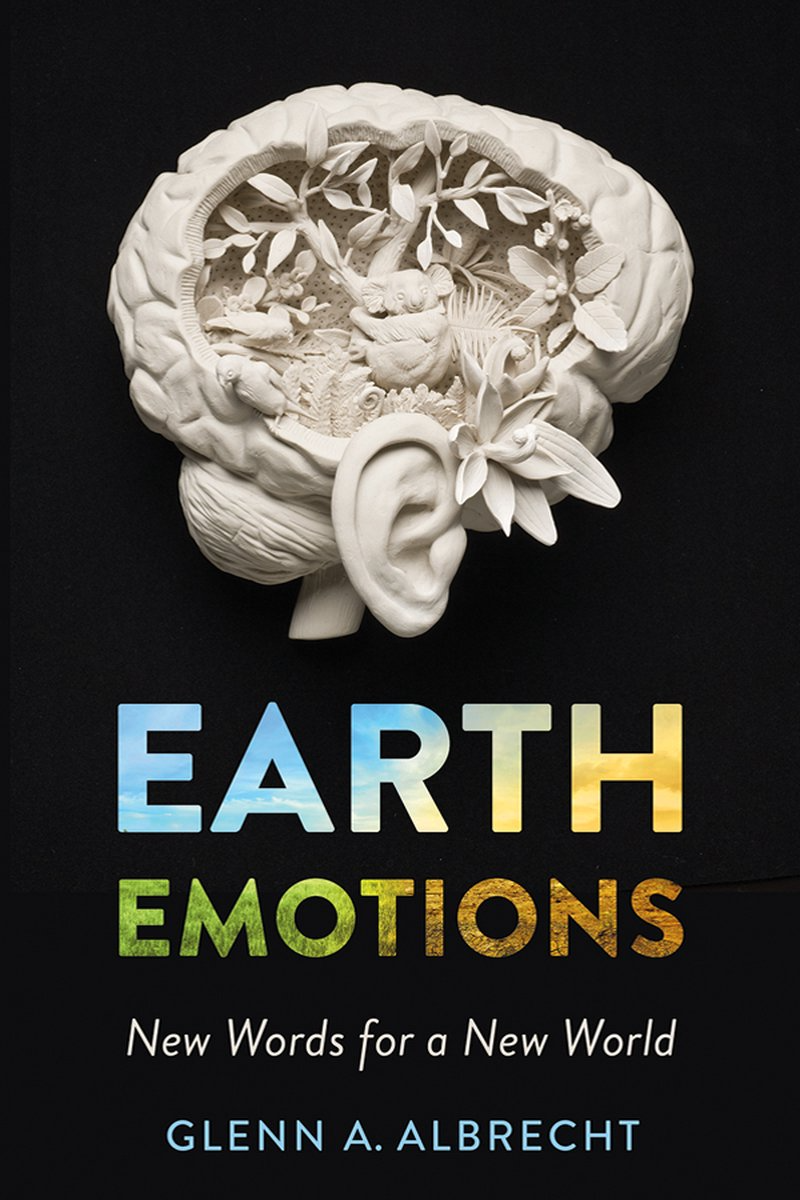
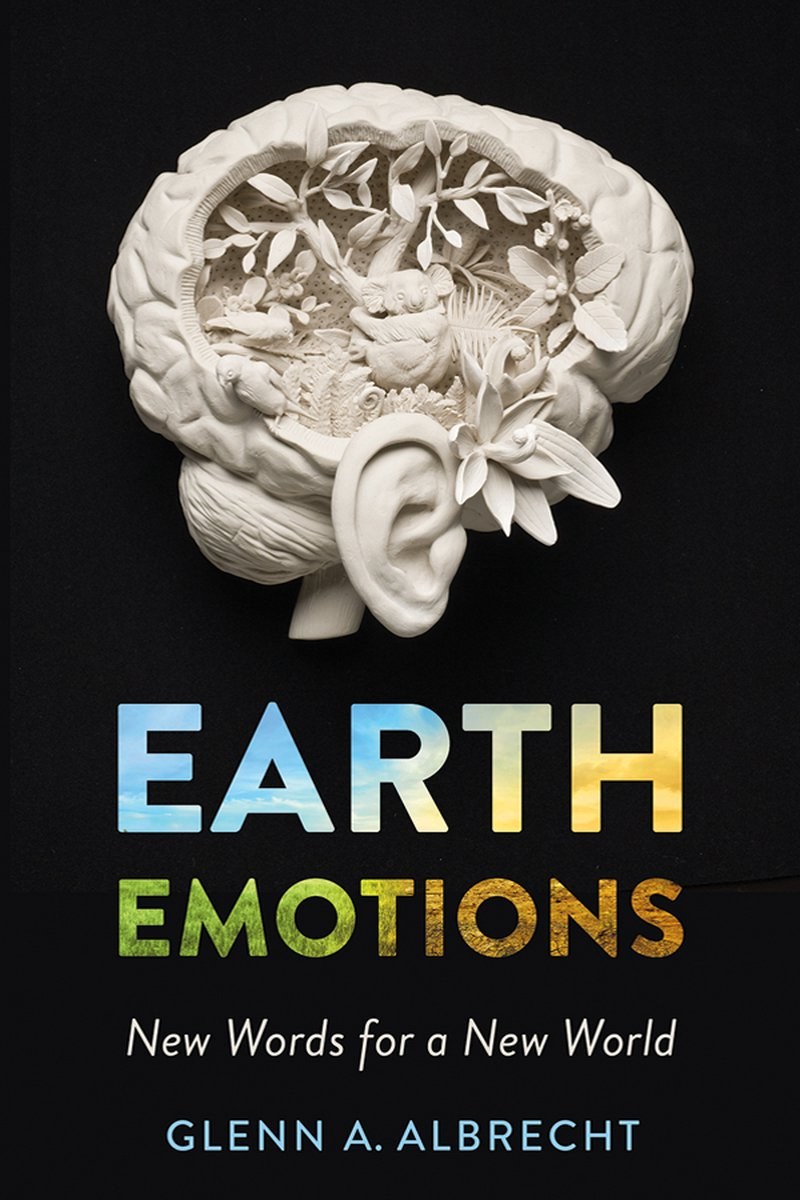
Philosopher Glenn Albrecht coined solastalgia for the homesickness one may feel while remaining at home as one’s surroundings change so radically that they cease to offer solace.
The words matter because they make experiences shareable. They tell us that distress in the face of a damaged world is not an individual defect but an intelligible response to conditions that threaten what we love and what sustains us.
GRIEF WITHOUT RECOGNITION
Ecological grief is therefore broader than bereavement after a discrete death. It may follow a sudden disaster, but it can also arise through slow violence: the incremental poisoning, drying, warming, or emptying of a place. It may be retrospective, anticipatory, or both. Often the object of grief is difficult to isolate because what is disappearing is a mesh of relations—a seasonal rhythm, a livelihood, a language, a sense of home, the confidence that familiar forms of life will continue. The scale may range from one tree to a planetary climate, while the loss may be personally immediate for some and largely invisible to others. Any account of ecological grief must therefore attend to these differences rather than treating all losses—and all experiences of them—as equivalent.
Yet ecological emotions remain remarkably hard to voice—and, even when voiced, hard to make adequately heard. Western societies have elaborate customs for mourning human deaths, but few established conventions or rituals for mourning the death of a river, the disappearance of a species, or the gradual loss of a forest. Although terms such as eco-anxiety and ecological grief have gained currency in recent years, their circulation should not be confused with widespread social legitimacy. Those who express such feelings are often still dismissed as irrational, oversensitive, or excessively emotional. Their feelings are thereby denied uptake: acknowledged perhaps as private distress, but not heard as consequential responses to real loss. In this sense, ecological grief remains disenfranchised: the loss is real to the mourner, but the surrounding culture withholds recognition, sympathy, or permission to mourn.
That withholding is political. Emotions do more than register private states: they communicate judgements about what matters. To grieve a poisoned river is to say that the river was not merely a resource and that its destruction is not an acceptable cost. To mourn an extinct bird is to insist that a form of life had value beyond its usefulness to humans. Conversely, when such grief is ridiculed, others learn to censor similar feelings in themselves. Suppressing public emotion can therefore operate as a subtle technique of social control: it narrows the range of responses considered reasonable and helps business as usual present itself as common sense. When people cannot publicly express their attachments, the beings and places they care about become harder to defend. What cannot be mourned becomes easier to destroy.
MAKING ROOM FOR ECOLOGICAL GRIEF
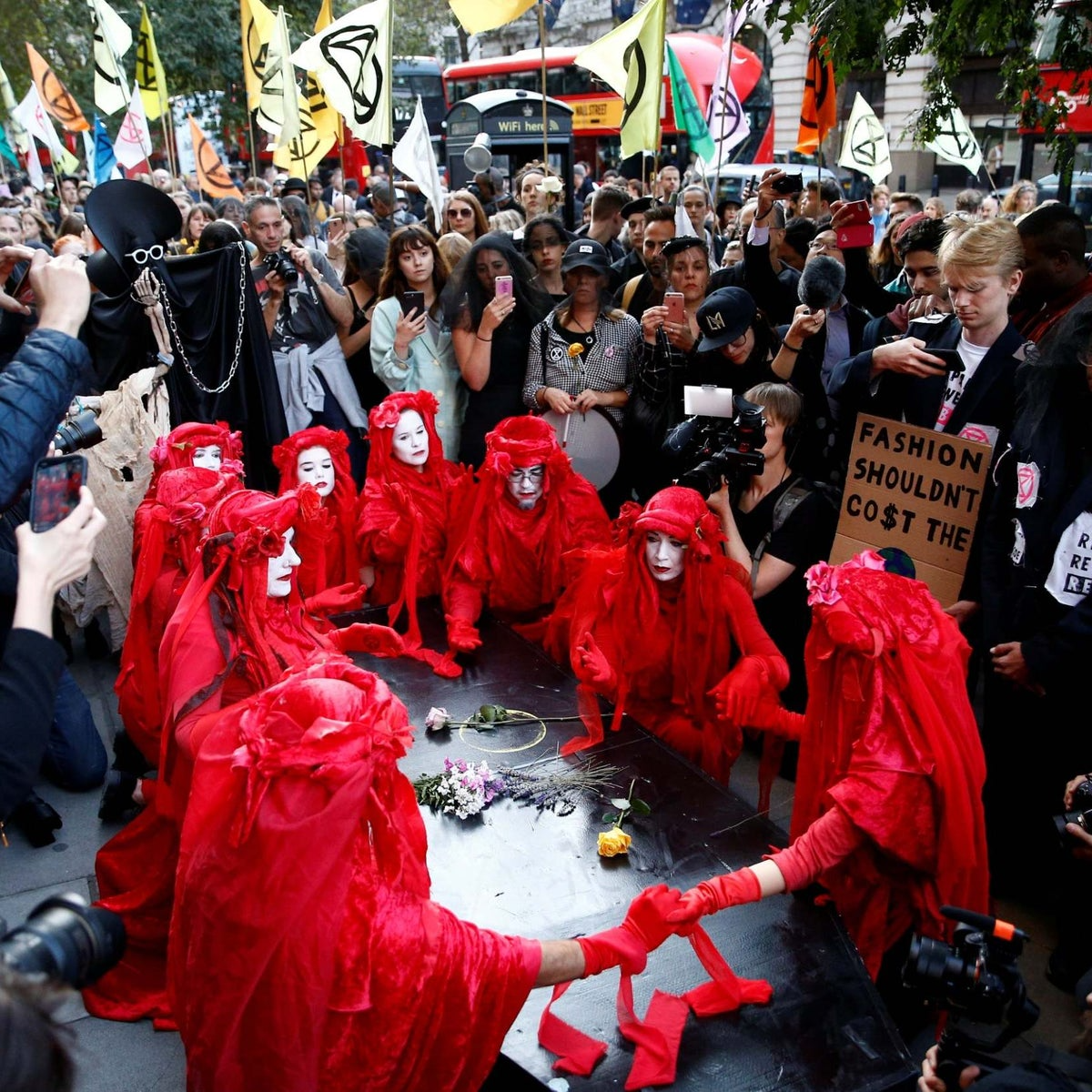
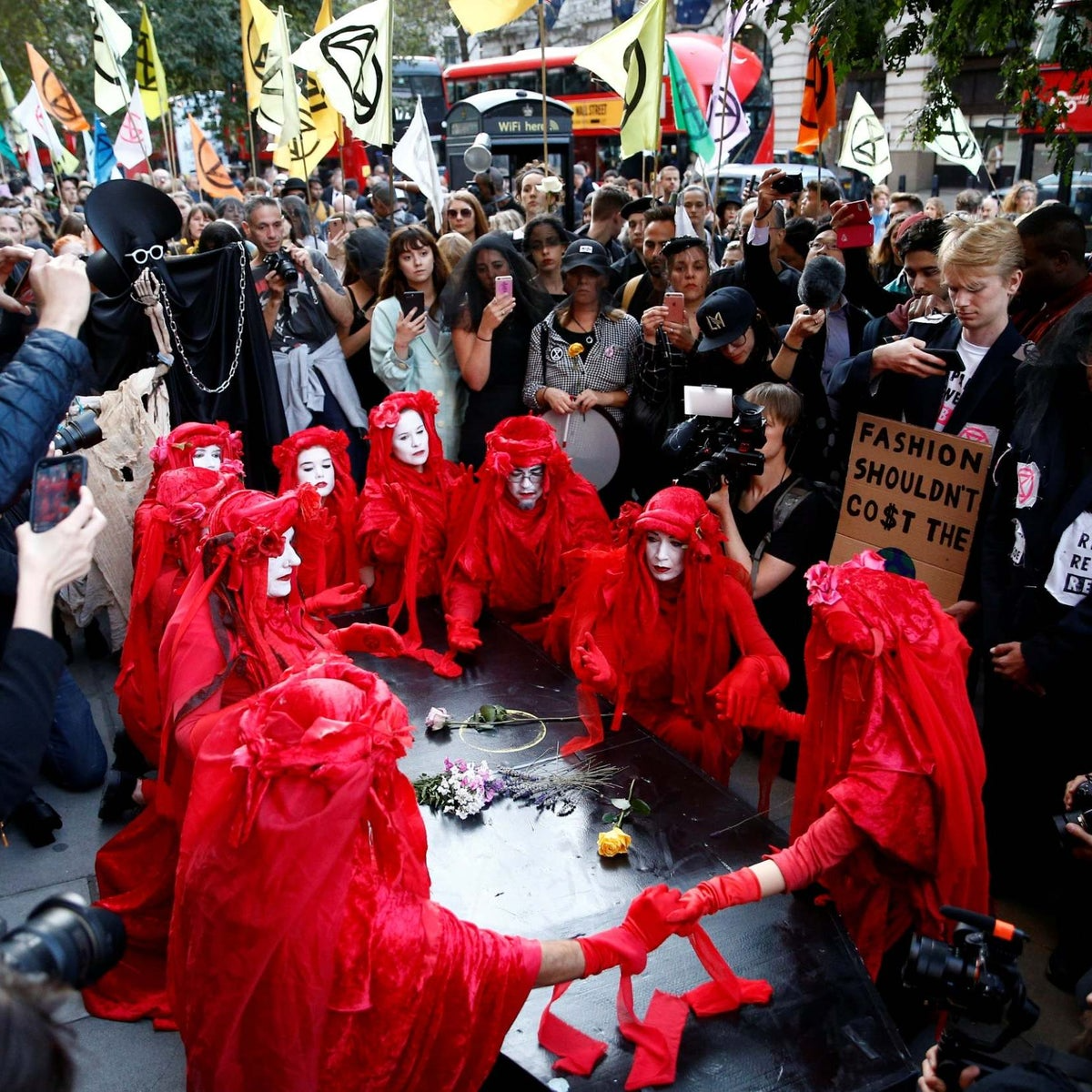
There are, nevertheless, spaces where ecological grief is being expressed and cultivated. Environmental activists hold funerals and vigils for glaciers and vanished species, stage “die-ins,” form silent processions, and organise grief circles. Climate-conscious psychotherapists create settings in which distress can be acknowledged without automatically being pathologised. Scholars in the environmental humanities provide language for experiences that have often remained unnamed or overlooked, and foster more relational understandings of human life and more just ways of inhabiting a shared world. Artists, meanwhile, make images, objects, sounds, stories, and rituals through which losses beyond ordinary awareness may begin to register. Art opens a space of encounter in which new ways of attending to and remembering such losses may emerge, even when no ready-made forms exist for them.
The arts are especially important because they do not merely transmit information about ecological loss; they allow such loss to be perceived, imagined, and felt. By lingering over a trace or making an absence palpable, a work of art can make distant or gradual losses feel immediate. It can direct attention away from abstract extinction figures towards the particularity of a vanished species or way of life, or place the brevity of an individual life within the immense timescales of evolution and geology. Moreover, it can hold contradictions together: beauty alongside horror, tenderness alongside culpability, hope alongside irreversible loss. These tensions are not failures to deliver a clear message. They confront us with the emotional complexity of ecological mourning.
RELEARNING THE WORLD
This exhibition understands mourning as more than the outward expression of sadness. It is durational and relational work, with ethical and political dimensions. Grief is fundamentally about love: we grieve because our lives are attached to other lives, places, habits, and possible futures. Loss reveals how deeply these relations inhabit and constitute us—how parts of what we call the self have always existed beyond the skin. Mourning can undo us, but it can also redo us. Thom van Dooren, Blanche Verlie, and Zoë Sadokierski, drawing on philosopher and grief counsellor Thomas Attig, describe grieving as a process of “relearning the world”: adjusting our sense of who we are and how to live when an important relation has been transformed or severed.
We do not return unchanged to a previous normal. We learn to live within a changed reality, wounded but still capable of connection.
Ecological mourning extends this process of relearning to our relations with the more-than-human world. It begins by recognising animal, vegetal, mineral, and elemental bodies as vulnerable—and their loss as worthy of grief.
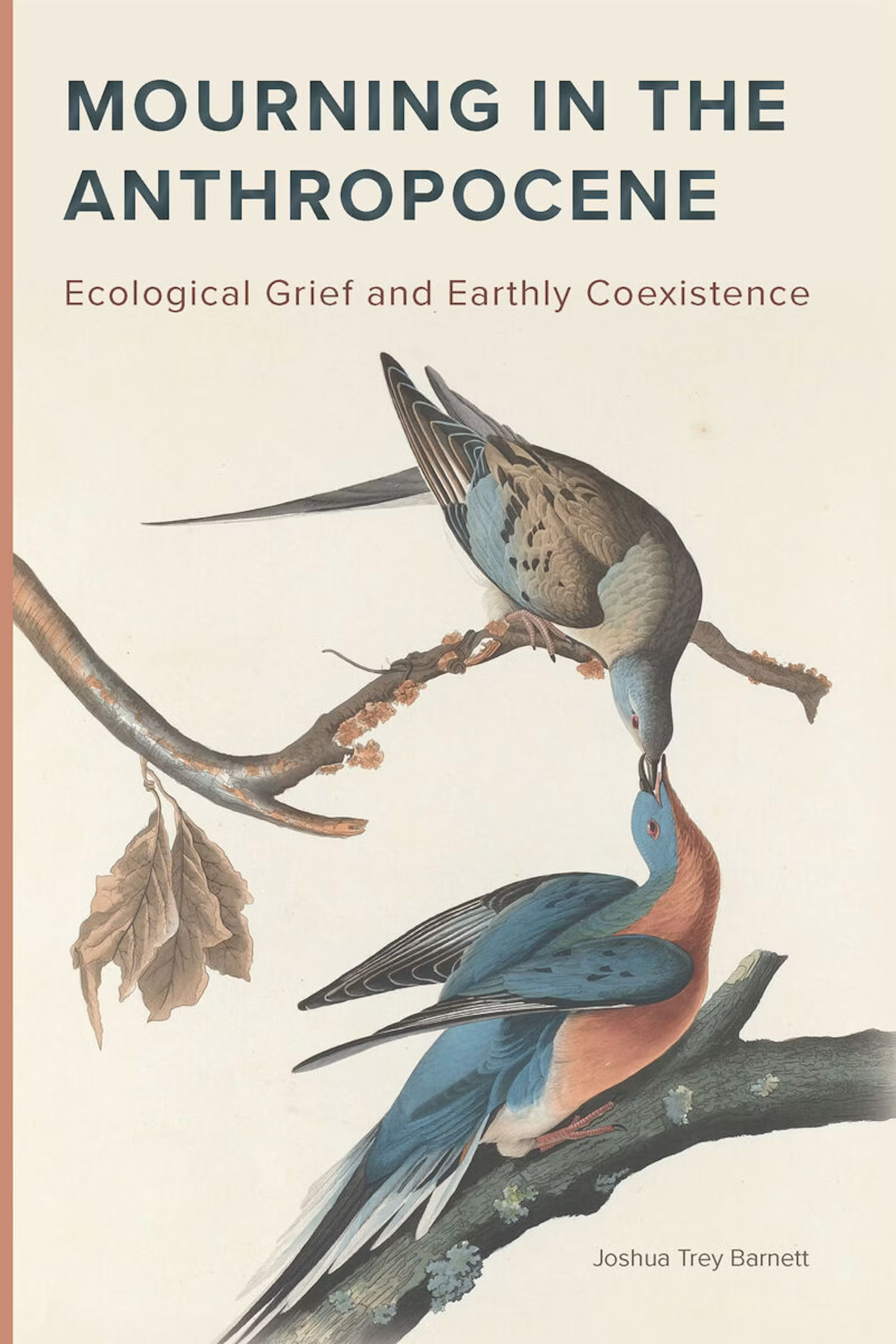
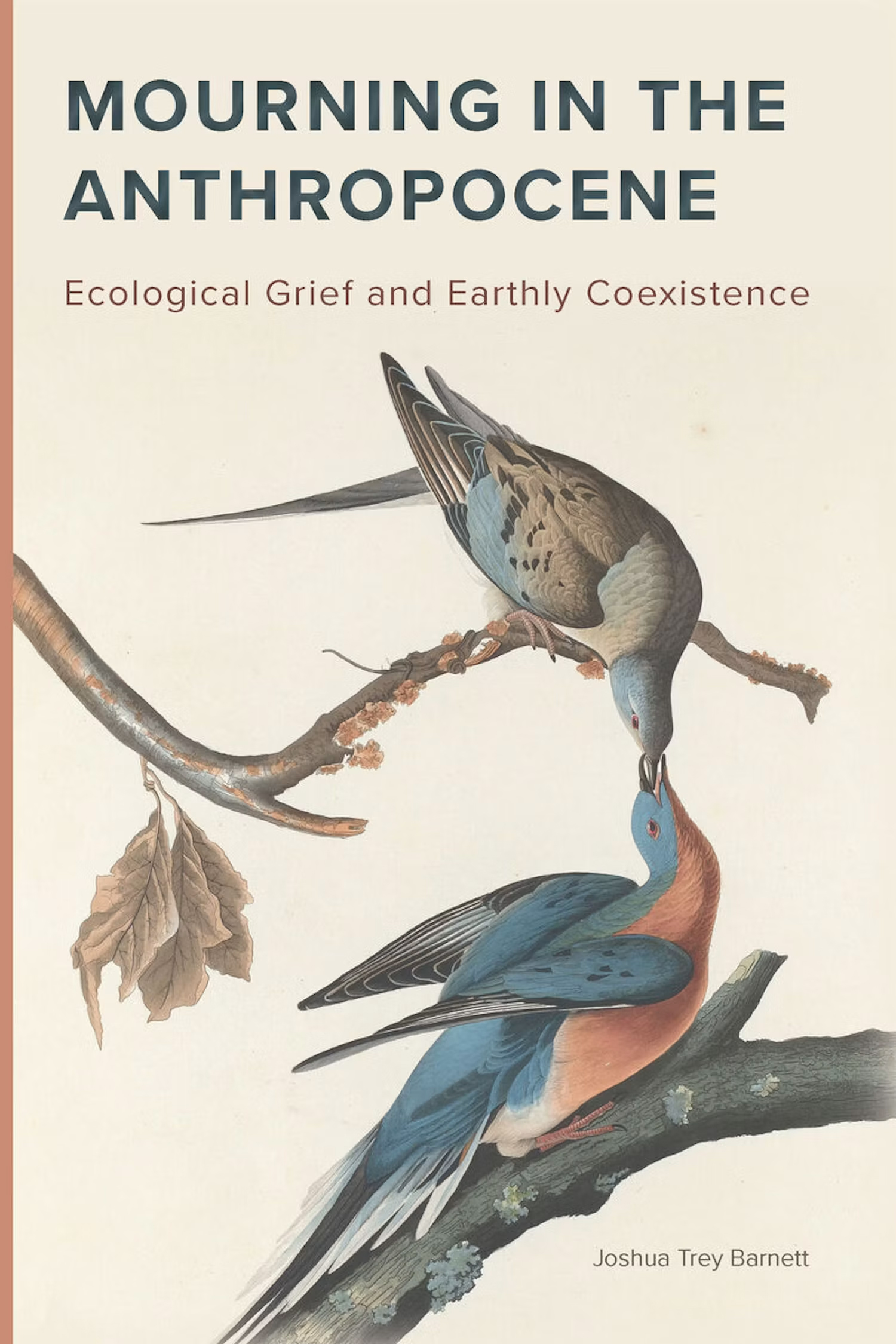
Yet such recognition does not arise automatically. As rhetoric scholar Joshua Trey Barnett argues, ecological grief is shaped through practices of naming, archiving, and making visible: acts that give neglected feelings public legitimacy and direct attention towards what requires care.
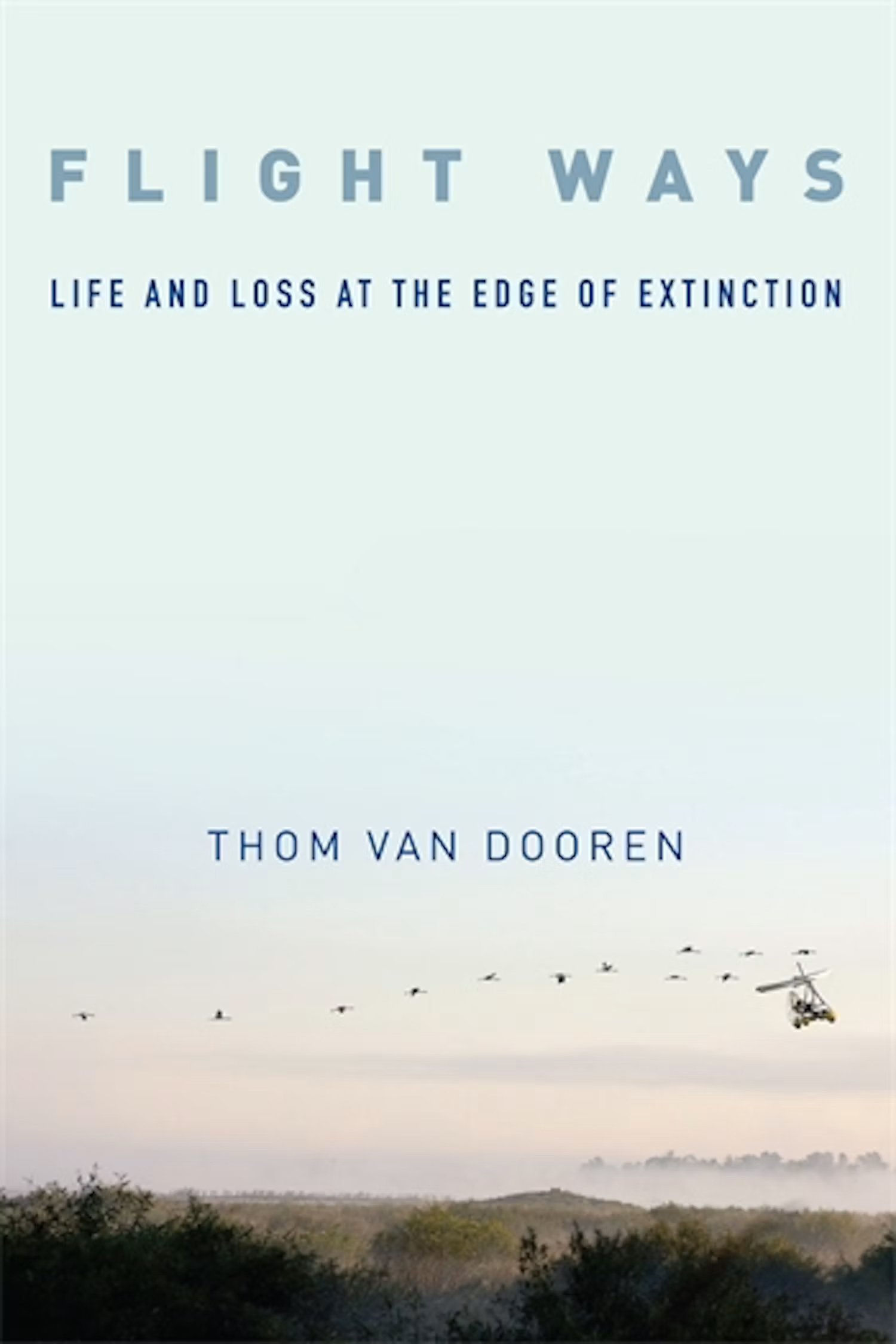
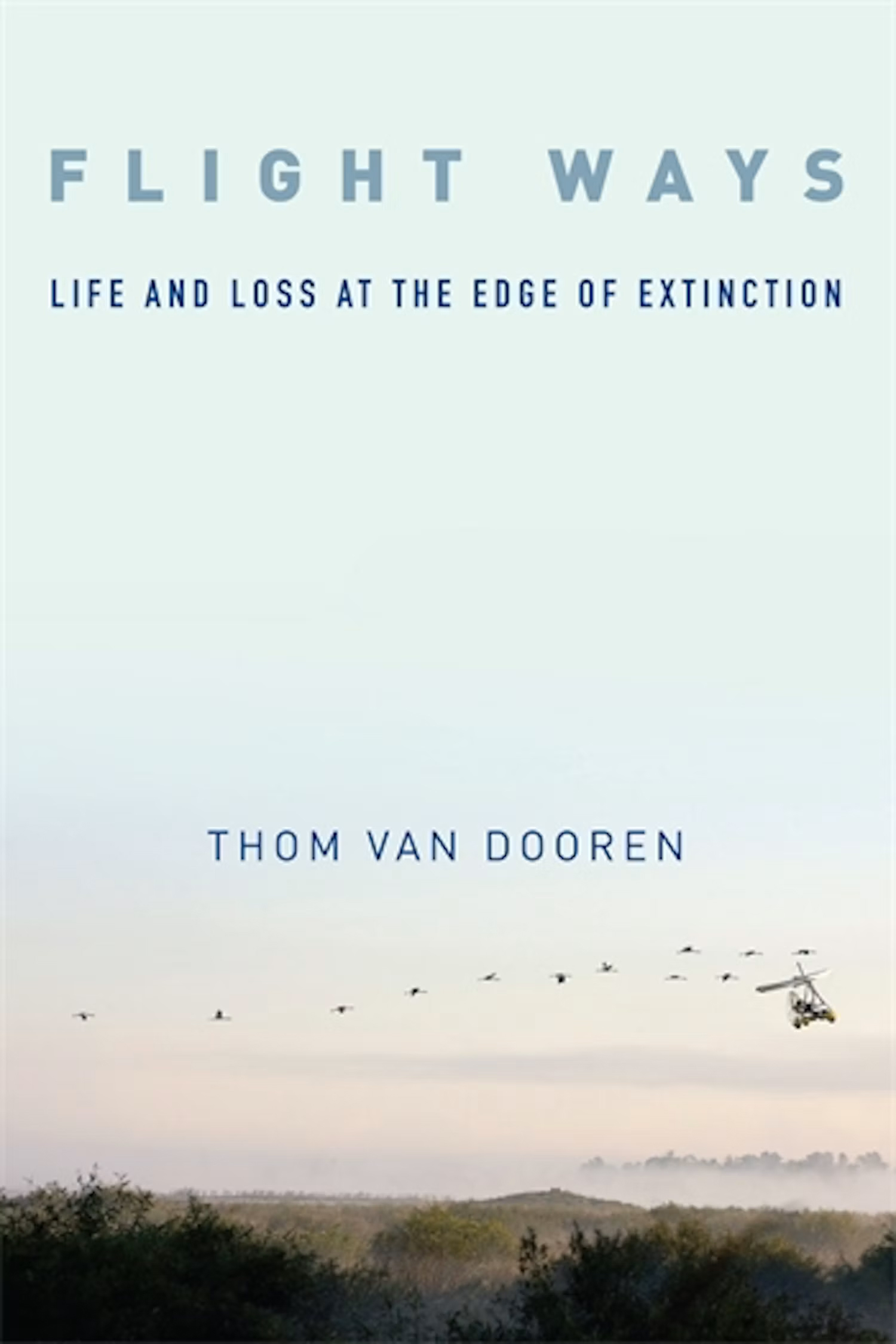
Mourning therefore demands more than a general sorrow over environmental decline; it requires sustained attention to the particular lives and relationships being destroyed. Philosopher and anthropologist Thom van Dooren’s accounts of threatened birds and snails trace how creatures sense, communicate, remember, and dwell with others, revealing each form of life as part of a singular web of relations.
Seen at this scale, extinction is not simply the subtraction of an interchangeable unit of “biodiversity.” It is the unravelling of ways of living and relating that cannot be recreated—the loss of an entire world.
Becoming responsive to such losses requires what philosopher Vinciane Despret calls “learning to be affected.”
Facts remain indispensable, but facts alone do not necessarily alter conduct. We also need a felt understanding of how thoroughly our lives are bound up with the more-than-human world. This does not mean projecting human emotion onto a mute nature. It means relinquishing the fantasy of human separateness and becoming more attentive to how other beings address us, resist us, depend on us, and exceed our comprehension. Making room for grief can draw us towards a more relational sense of ourselves: not masters standing outside a passive environment, but participants in densely entangled communities of life.
GRIEF, GUILT, AND HOPE
Such participation is never innocent. Ecological grief is frequently entangled with guilt because humans—unequally and in different ways—are implicated in the losses they mourn. We must grieve not only what has disappeared but also what human economies, institutions, and habits have helped destroy.
The pronoun we must be used carefully, since responsibility for these losses is distributed unevenly across histories of capitalism, colonialism, extraction, and consumption. Crushing personal guilt can paralyse, while vague invocations of humanity can conceal the companies, governments, and wealthy populations most able to cause or prevent harm. Accountable mourning neither claims innocence nor turns grief into self-absolution. It asks how sorrow might lead to a clearer understanding of responsibility and a commitment to changed conduct and, where possible, repair.
An apology to an extinct species cannot resurrect it. A memorial cannot restore a vanished glacier. Yet such acts may still matter when they acknowledge wrongdoing, enlarge the moral and political community, and make obligations towards surviving beings and damaged habitats harder to ignore. They can prefigure a society in which more-than-human lives matter emotionally, ethically, and politically.
Mourning is transformative not because any feeling automatically produces virtuous action—ecological emotions can remain private, become fatalistic, or even feed exclusionary politics—but because sustained attention can interrupt denial and reorient conduct. It can nurture the emotional literacy needed to distinguish responsibility from shame, solidarity from appropriation, and care from control.
This is why grief should not be opposed to hope. Embracing grief means reckoning honestly with the fact that much has already been lost, and that further losses are locked into the coming years regardless of what we now do. Hope that refuses this knowledge is consolation, not responsibility. Environmental communication often insists on upbeat stories and manageable tips for individual action for fear that audiences will otherwise become depressed. But optimism can minimise the severity of the situation, suggest that modest consumer choices are an adequate response to systemic crisis, and shift responsibility away from powerful institutions. A credible hope must be shadowed by loss. It can acknowledge irreversible harm while insisting that what remains—and what may still become—deserves determined care. That is the life-affirming wager of ecological mourning: grief can sharpen our sense of what is precious and bring us into more courageous relation with the living. Far from displacing action, it can both motivate action and give it direction.
THE EXHIBITION AS AN OPEN SPIRAL
This understanding of mourning as an ongoing, potentially transformative practice shapes the exhibition itself. Rather than offering a therapeutic journey from grief to healing, TENDING LOSS — MOURNING BEYOND THE HUMAN unfolds through five movements arranged as an open spiral. Together, they propose a sequence of relations: traces invite listening, listening may expose implication, acknowledging implication can create a need for ritual, ritual may renew relations of care, and care can make further traces and voices perceptible.
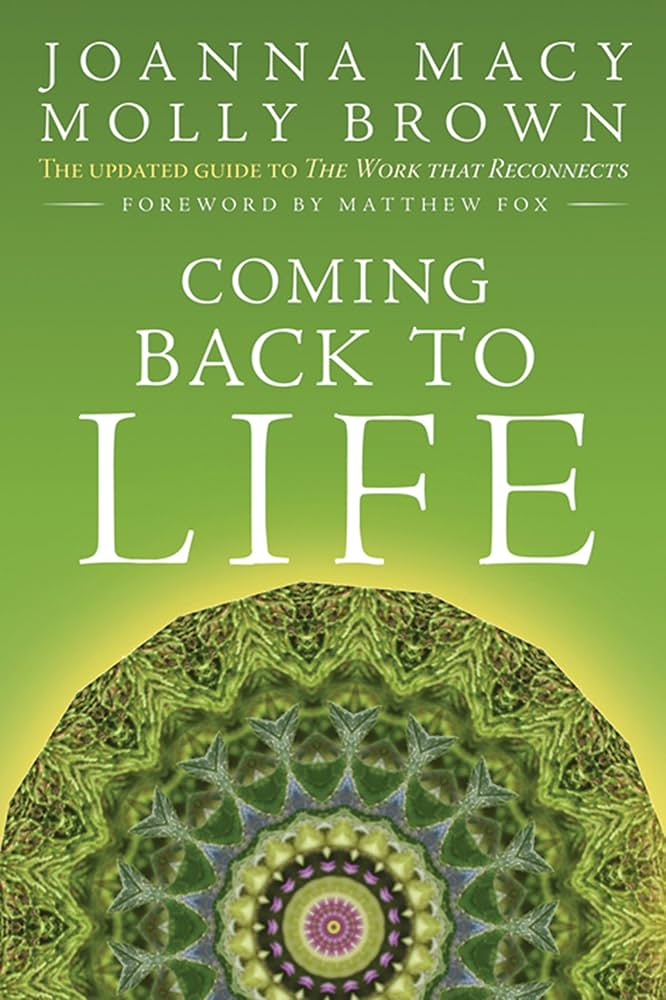
The structure takes conceptual inspiration from the late philosopher and activist Joanna Macy’s “Work That Reconnects,” an experiential group practice that moves through gratitude, grief, renewed perception, and action.
Macy describes its stages as an open spiral because they can be revisited repeatedly, each passage opening onto altered meanings and responses. TENDING LOSS — MOURNING BEYOND THE HUMAN does not reproduce this sequence, but shares its understanding of mourning as recursive rather than directed towards closure.
RADIUS’ circular exhibition space, formerly an underground water reservoir, gives this recursive logic a spatial resonance: visitors move around it and may return to earlier works and concerns rather than simply advancing through completed stages. This openness also operates at the level of the works themselves. Although each is situated within a particular movement, many bear witness, lament, memorialise, implicate, and care at once. Each movement foregrounds a principal narrative function without confining the works to it, allowing meanings and affects to reverberate across the exhibition.
Timothy Morton, Ecology without Nature: Rethinking Environmental Aesthetics (Cambridge, MA: Harvard University Press, 2007), 185.
↩
Ashlee Cunsolo and Neville R. Ellis, “Ecological Grief as a Mental Health Response to Climate Change-Related Loss,” Nature Climate Change 8 (2018): 275–281.
↩
Susan Clayton, Christie Manning, Kirra Krygsman, and Meighen Speiser, Mental Health and Our Changing Climate: Impacts, Implications, and Guidance (Washington, DC: American Psychological Association and ecoAmerica, 2017). Image Credit: Asker Ibne Firoz
↩
Glenn A. Albrecht, Earth Emotions: New Words for a New World (Ithaca, NY: Cornell University Press, 2019).
↩
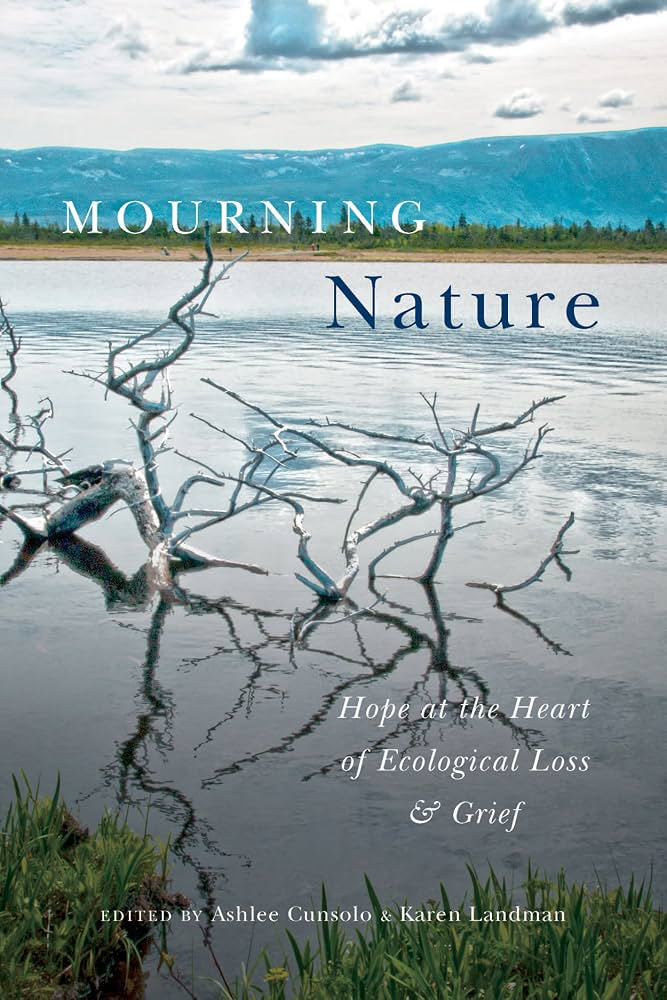
Ashlee Cunsolo and Karen Landman, eds., Mourning Nature: Hope at the Heart of Ecological Loss and Grief (Montreal and Kingston: McGill-Queen’s University Press, 2017).
↩
Thom van Dooren, Blanche Verlie, and Zoë Sadokierski, “Mourning in a Time of Planetary Crisis: Making Room for Grief,” Griffith Review 92 (2026). Image credit: Extinction Rebellion.
↩
Ashlee Cunsolo Willox, “Climate Change as the Work of Mourning,” Ethics & the Environment 17, no. 2 (2012): 137–164, https://doi.org/10.2979/ethicsenviro.17.2.137. Image credit: Extinction Rebellion.
↩
Joshua Trey Barnett, Mourning in the Anthropocene: Ecological Grief and Earthly Coexistence (East Lansing: Michigan State University Press, 2022).
↩
Thom van Dooren, Flight Ways: Life and Loss at the Edge of Extinction (New York: Columbia University Press, 2014); Thom van Dooren, A World in a Shell: Snail Stories for a Time of Extinctions (Cambridge, MA: MIT Press, 2022).
↩
Vinciane Despret, “The Body We Care For: Figures of Anthropo-zoo-genesis,” Body & Society 10, nos. 2–3 (2004): 111–134, https://doi.org/10.1177/1357034X04042938. Image credit: Donna Haraway by Victoria De la Maza Cueto.
↩
Stef Craps, “Ecological Apologies: Reckoning with Grief, Guilt, and Multispecies Justice,” Environmental Politics 35, no. 1 (2026): 31–49, https://doi.org/10.1080/09644016.2025.2557056. Image credit: Matt Palmer.
↩
Joanna Macy and Molly Young Brown, Coming Back to Life: The Updated Guide to the Work That Reconnects, rev. ed. (Gabriola Island, BC: New Society Publishers, 2014).
↩
Guest curator: Stef Craps.
The RADIUS 2026 year-programme YOU AND I ARE EARTH, of which this exhibition is a part, has been made possible with support from the Mondriaan Fund, the Municipality of Delft, BNG Cultuurfonds, and the Van der Mandele Stichting.
This exhibition is additionally supported by Ghent University’s Societal Value Creation Fund, The Faculty of Arts and Philosophy at Ghent University, Het Cultuurfonds, and Stichting Symbio. We thank them kindly for their support!
 Eco-anxiety describes apprehension prompted by environmental deterioration.
  Philosopher Glenn Albrecht coined solastalgia for the homesickness one may feel while remaining at home as one’s surroundings change so radically that they cease to offer solace.
  The words matter because they make experiences shareable. They tell us that distress in the face of a damaged world is not an individual defect but an intelligible response to conditions that threaten what we love and what sustains us.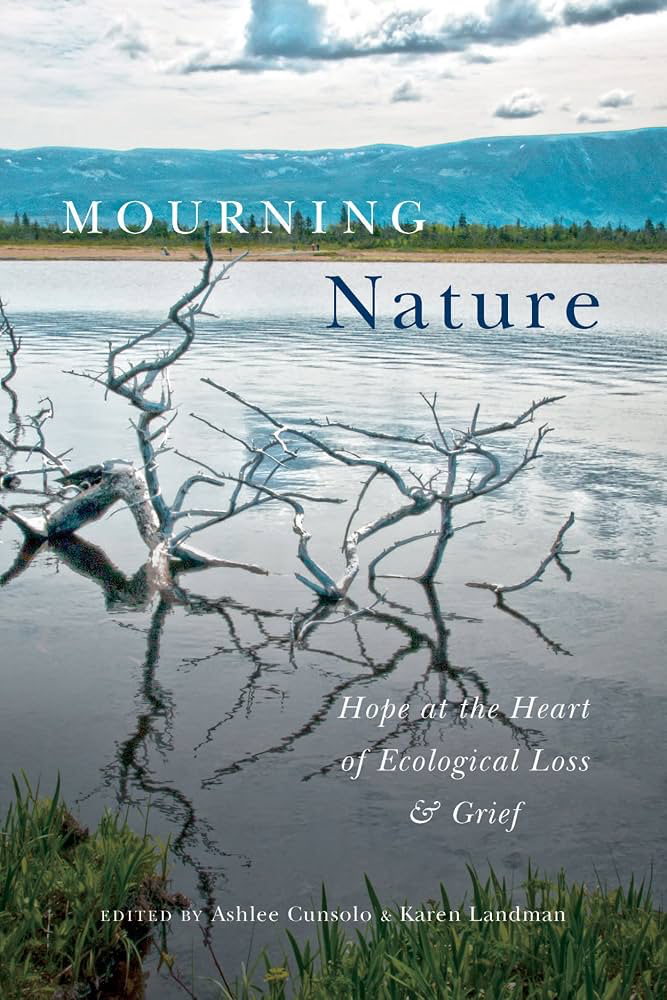
 We do not return unchanged to a previous normal. We learn to live within a changed reality, wounded but still capable of connection.
 Yet such recognition does not arise automatically. As rhetoric scholar Joshua Trey Barnett argues, ecological grief is shaped through practices of naming, archiving, and making visible: acts that give neglected feelings public legitimacy and direct attention towards what requires care.
  Mourning therefore demands more than a general sorrow over environmental decline; it requires sustained attention to the particular lives and relationships being destroyed. Philosopher and anthropologist Thom van Dooren’s accounts of threatened birds and snails trace how creatures sense, communicate, remember, and dwell with others, revealing each form of life as part of a singular web of relations.
  Seen at this scale, extinction is not simply the subtraction of an interchangeable unit of “biodiversity.” It is the unravelling of ways of living and relating that cannot be recreated—the loss of an entire world.
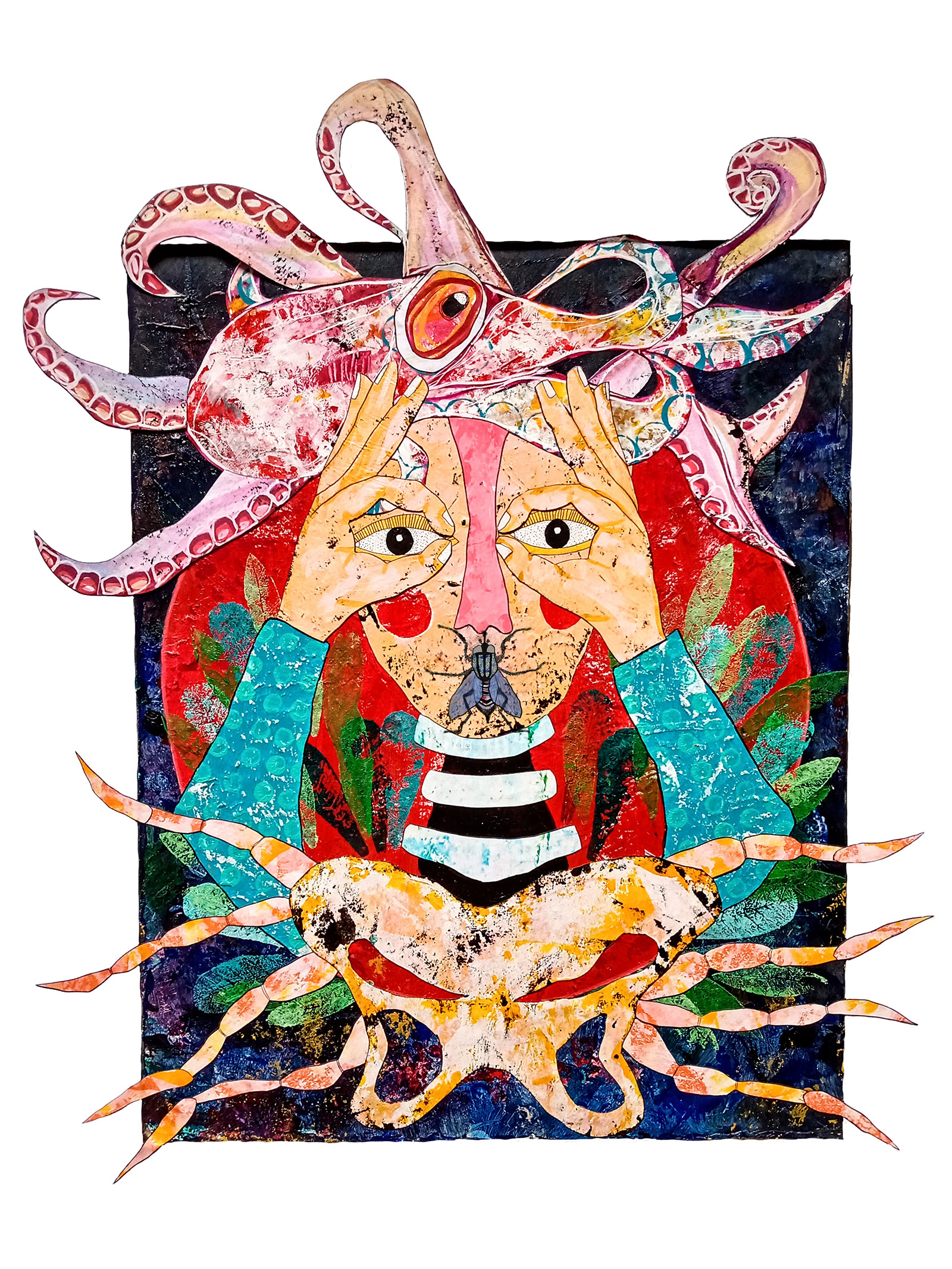 Facts remain indispensable, but facts alone do not necessarily alter conduct. We also need a felt understanding of how thoroughly our lives are bound up with the more-than-human world. This does not mean projecting human emotion onto a mute nature. It means relinquishing the fantasy of human separateness and becoming more attentive to how other beings address us, resist us, depend on us, and exceed our comprehension. Making room for grief can draw us towards a more relational sense of ourselves: not masters standing outside a passive environment, but participants in densely entangled communities of life.
 The pronoun we must be used carefully, since responsibility for these losses is distributed unevenly across histories of capitalism, colonialism, extraction, and consumption. Crushing personal guilt can paralyse, while vague invocations of humanity can conceal the companies, governments, and wealthy populations most able to cause or prevent harm. Accountable mourning neither claims innocence nor turns grief into self-absolution. It asks how sorrow might lead to a clearer understanding of responsibility and a commitment to changed conduct and, where possible, repair.
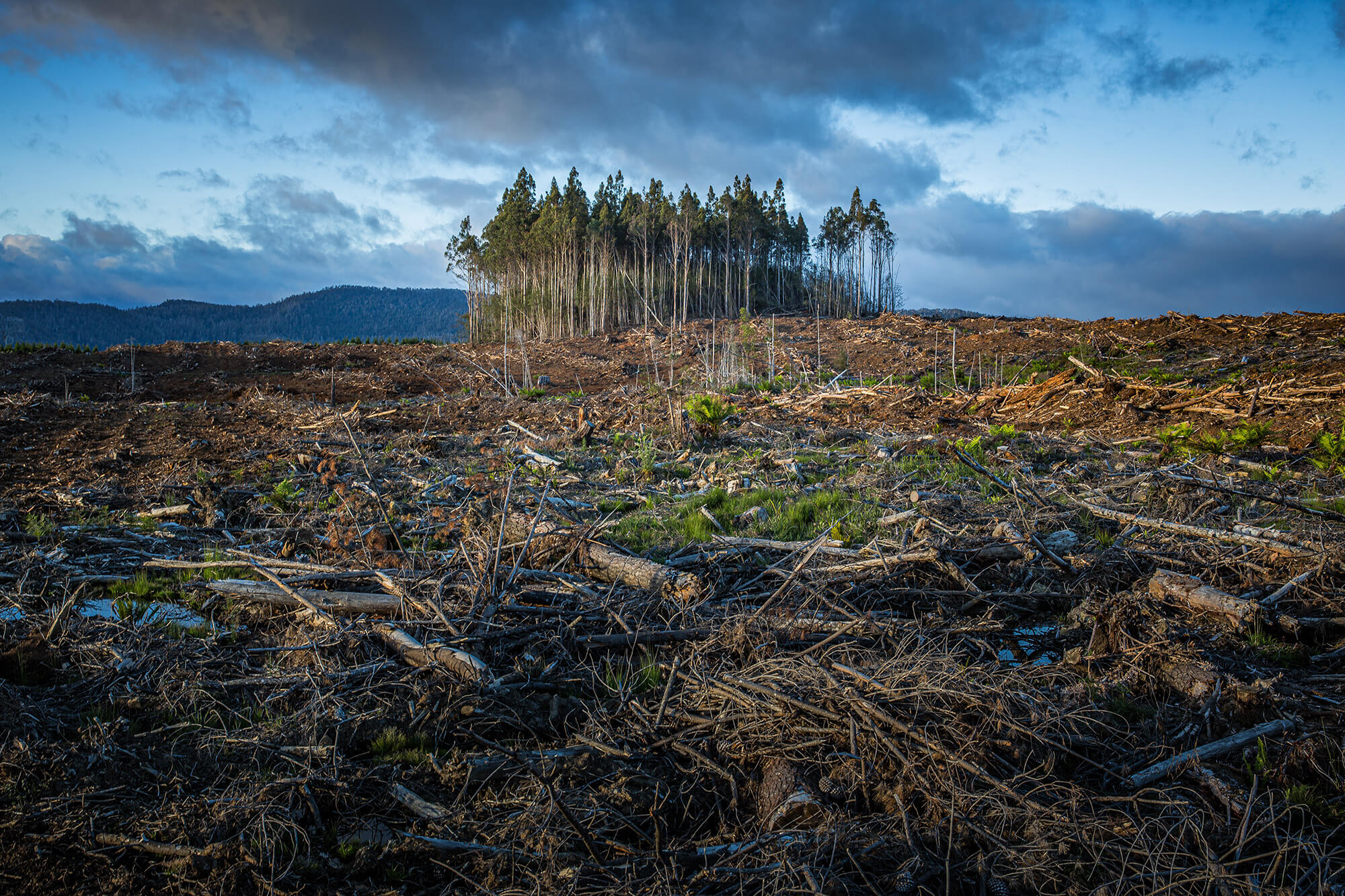 Mourning is transformative not because any feeling automatically produces virtuous action—ecological emotions can remain private, become fatalistic, or even feed exclusionary politics—but because sustained attention can interrupt denial and reorient conduct. It can nurture the emotional literacy needed to distinguish responsibility from shame, solidarity from appropriation, and care from control.
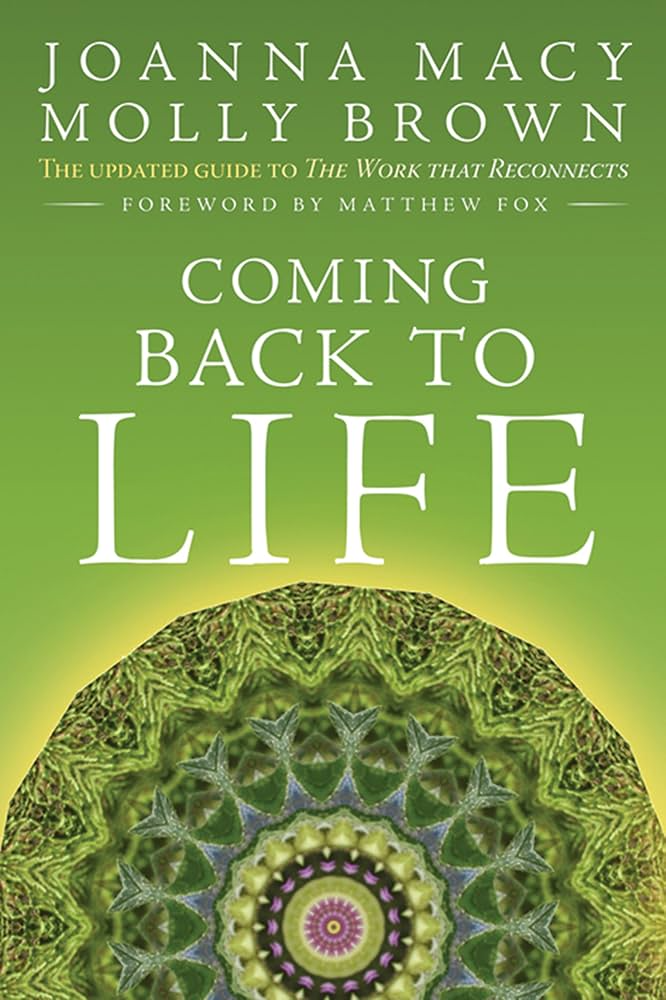 Macy describes its stages as an open spiral because they can be revisited repeatedly, each passage opening onto altered meanings and responses. TENDING LOSS — MOURNING BEYOND THE HUMAN does not reproduce this sequence, but shares its understanding of mourning as recursive rather than directed towards closure.