Participating artists: Tekla Aslanishvili & Giorgi Gago Gagoshidze, Rachel Bacon, DISNOVATION.ORG & Nicolas Nova, Xandra van der Eijk, Tanja Engelberts, Giovanni Giaretta, Katarina Jazbec, Lithic Alliance, Arjuna Neuman & Denise Ferreira da Silva, Libita Sibungu, Anna Zett, Feifei Zhou
Welcome to the Anthropocene. It’s a new geological era, so take a good look around. A single species is in charge of the planet, altering its features almost at will. And what more natural than to name this new era after that top-of-the-heap anthropoid, ourselves? The term was coined in 2000 by the Nobel Prize-winning Dutch atmospheric scientist Paul Crutzen to describe the past two centuries of our planet’s evolution. “I was at a conference where someone said something about the Holocene, the long period of relatively stable climate since the end of the last ice age,” he told me later. “I suddenly thought that this was wrong. The world has changed too much. So I said: ‘No, we are in the Anthropocene.’ I just made up the word on the spur of the moment. Everyone was shocked. But it seems to have stuck.”
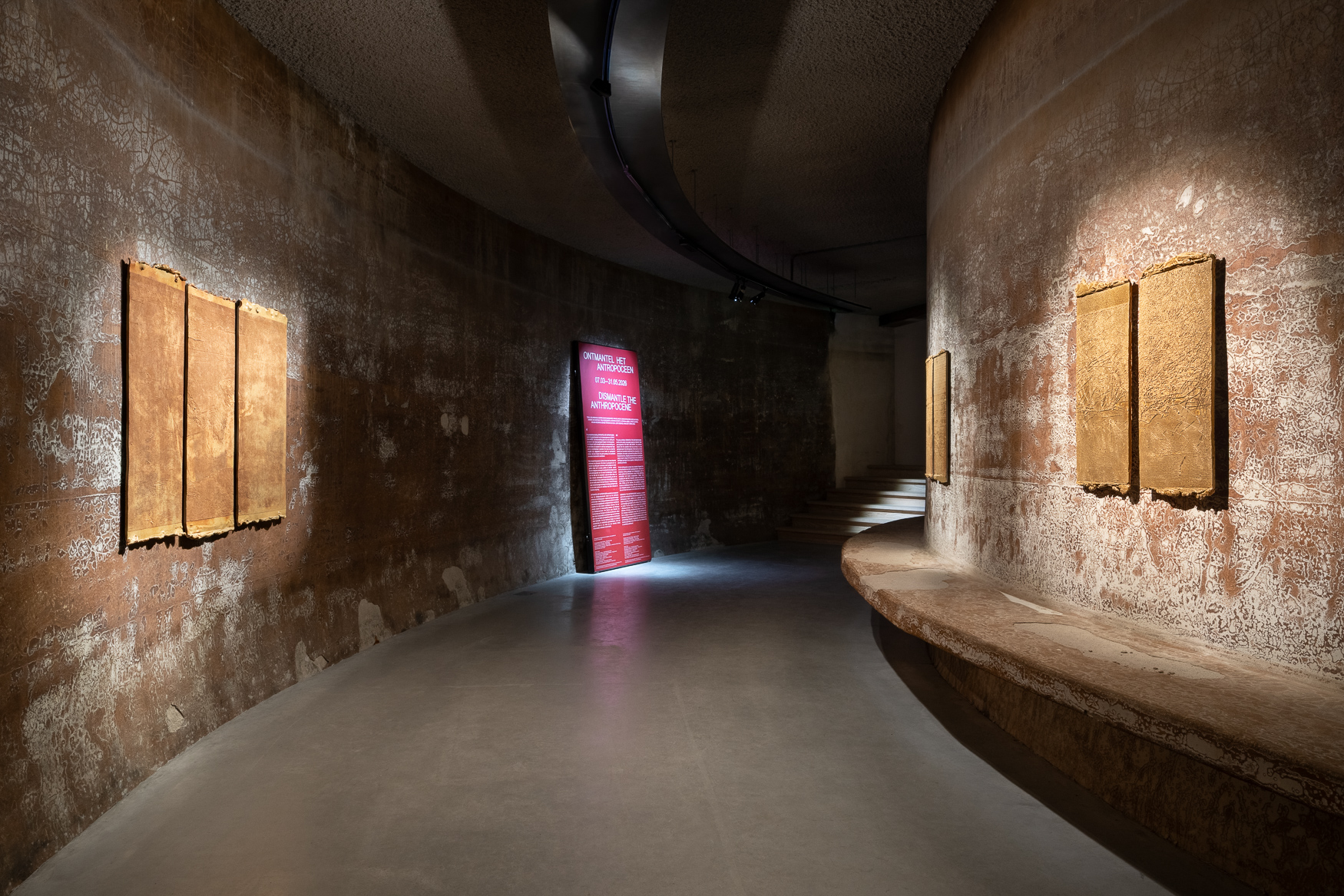
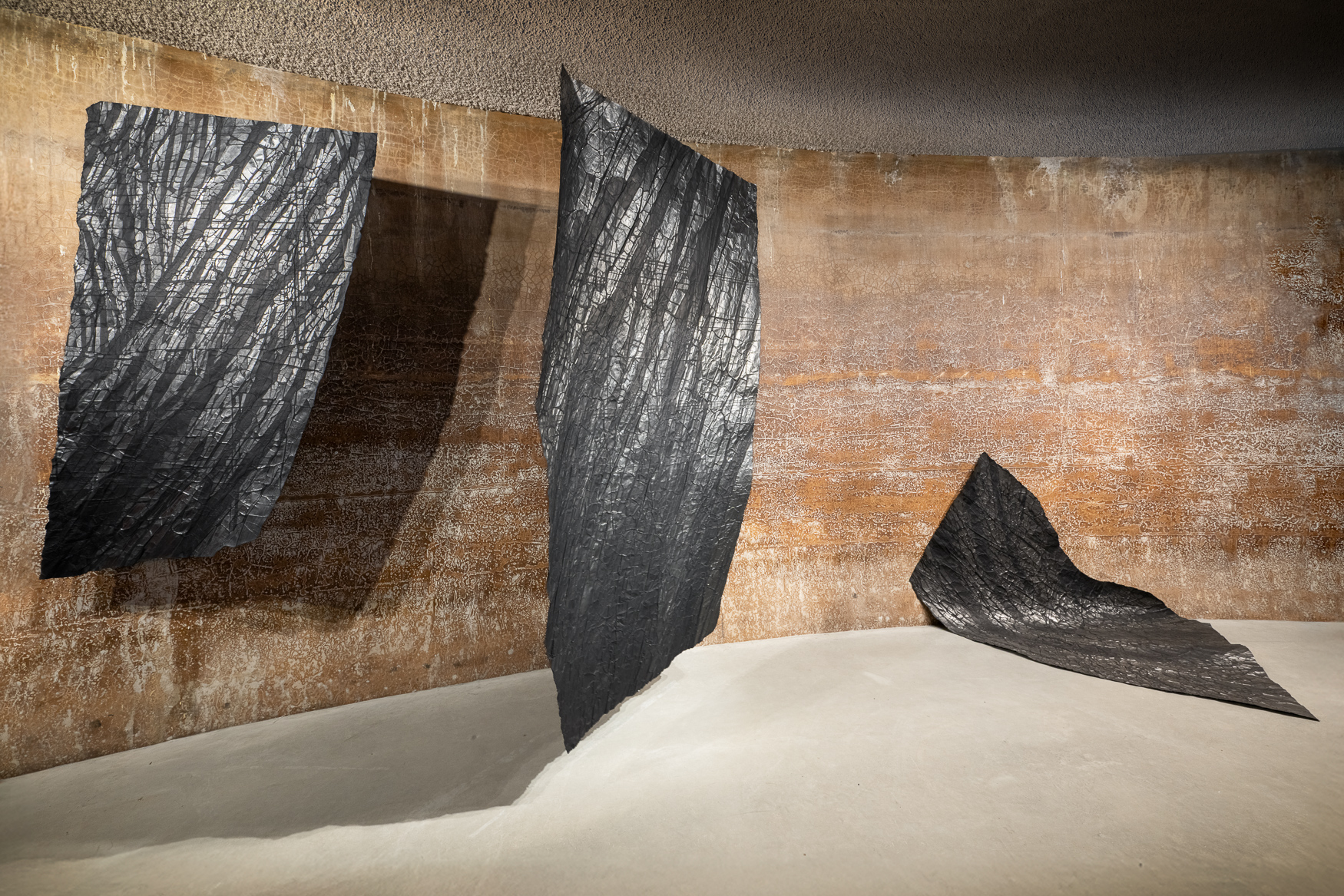
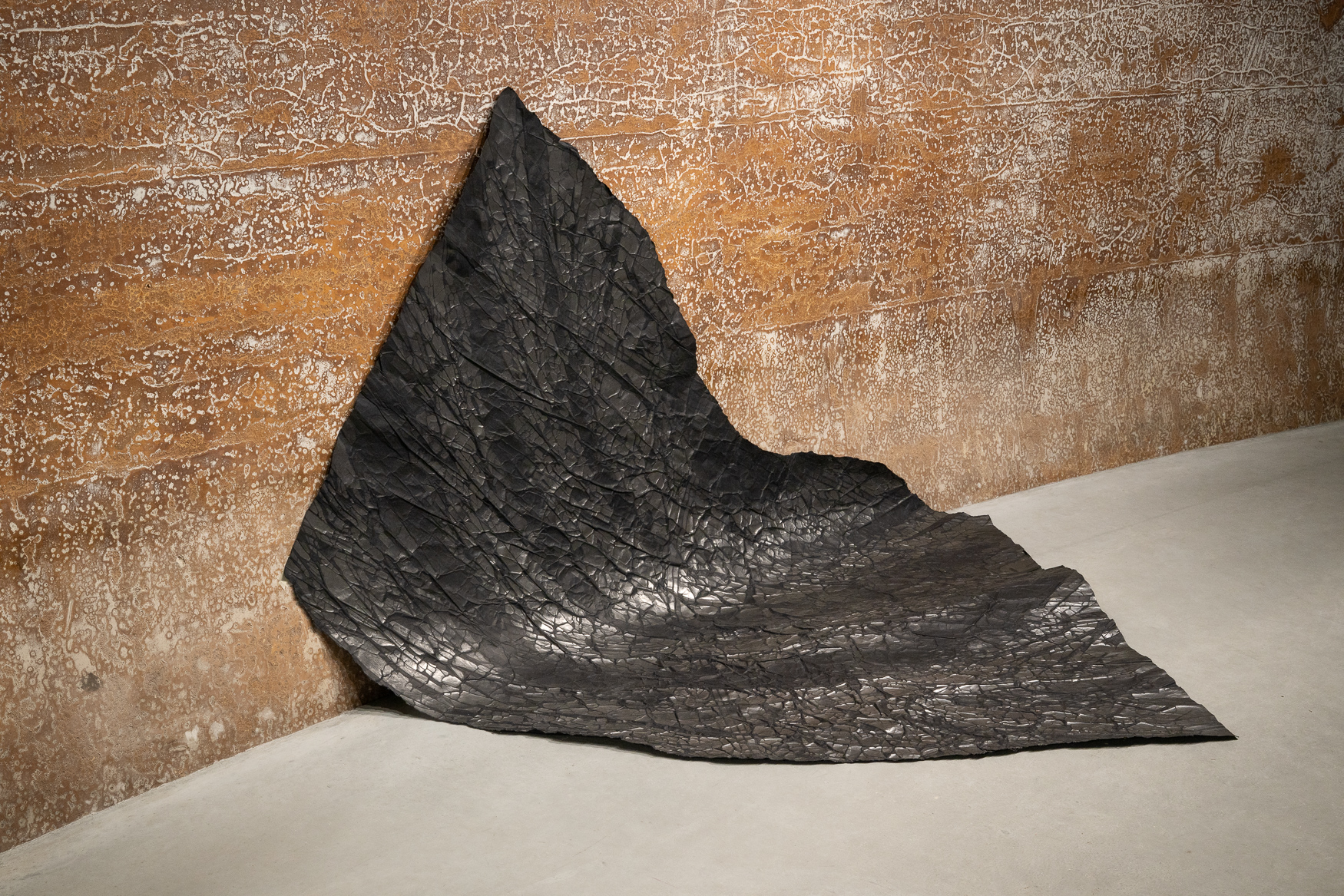
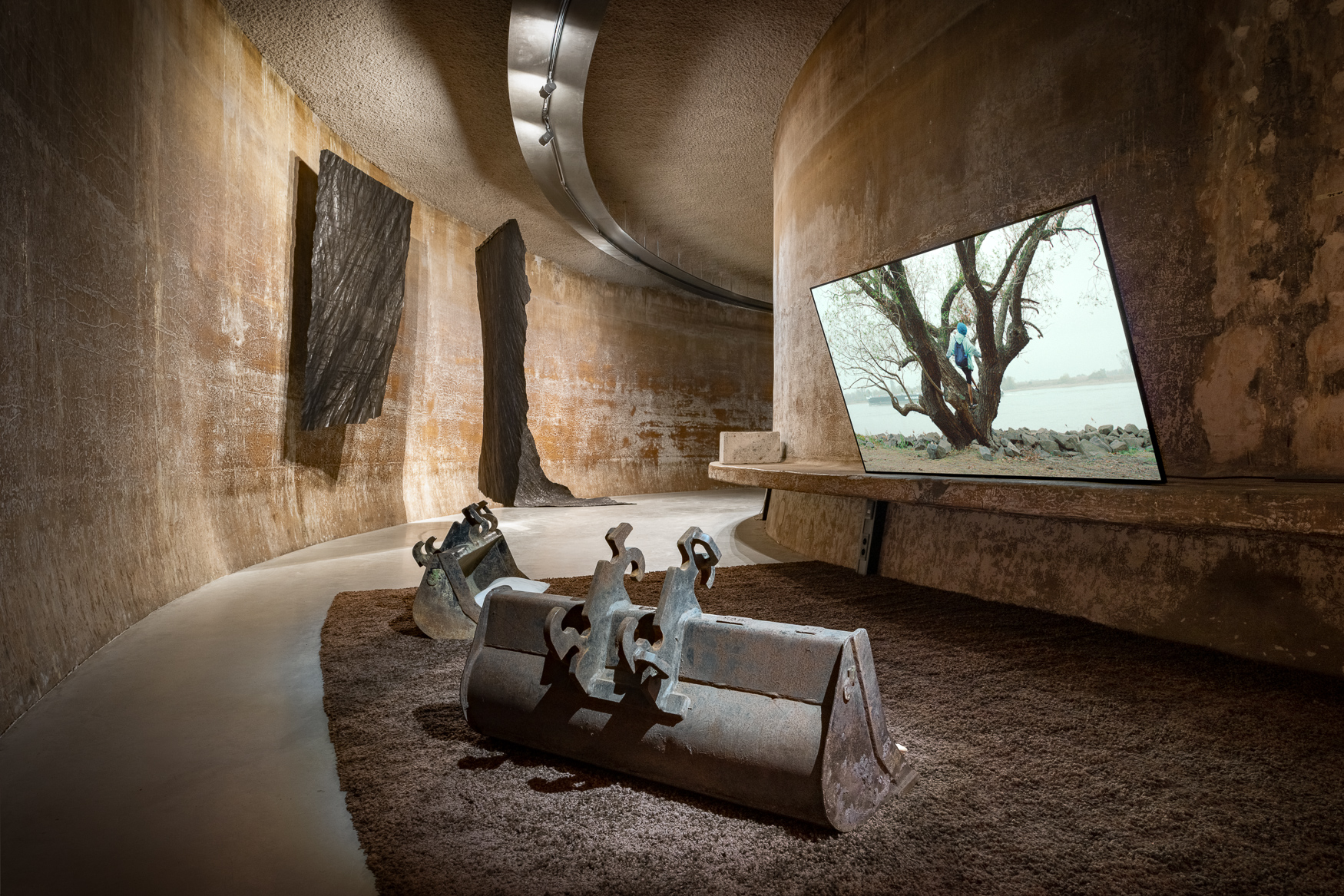
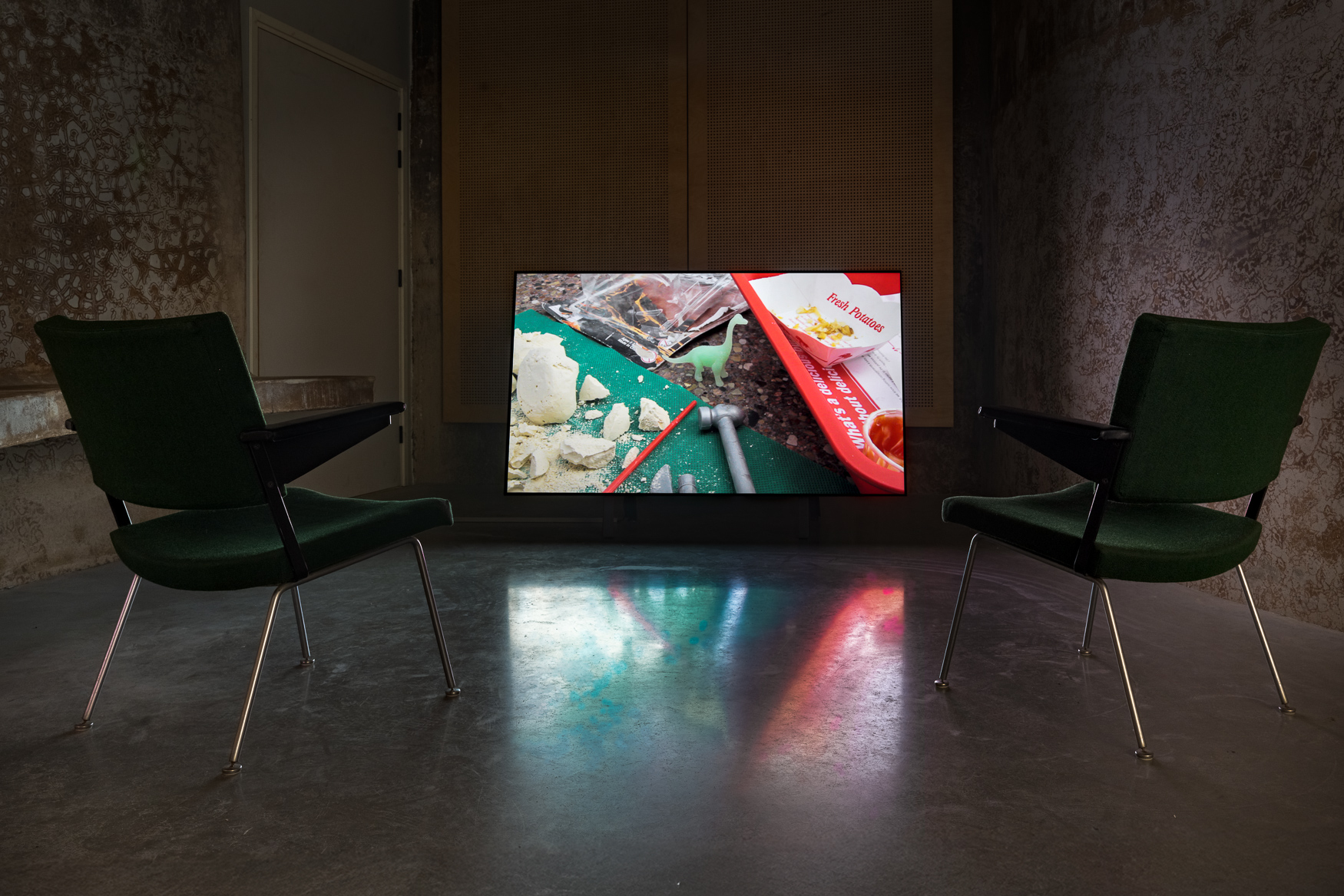
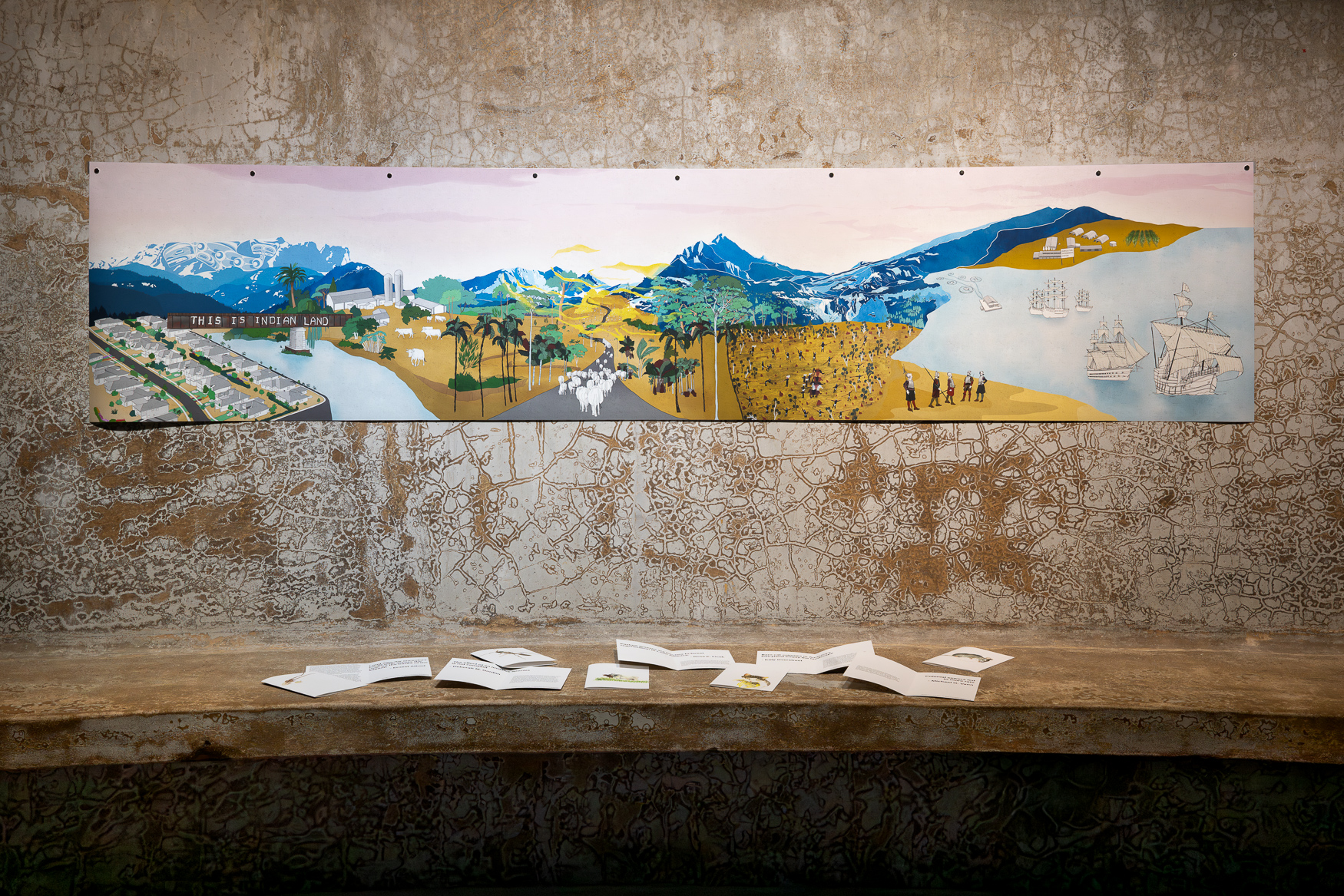
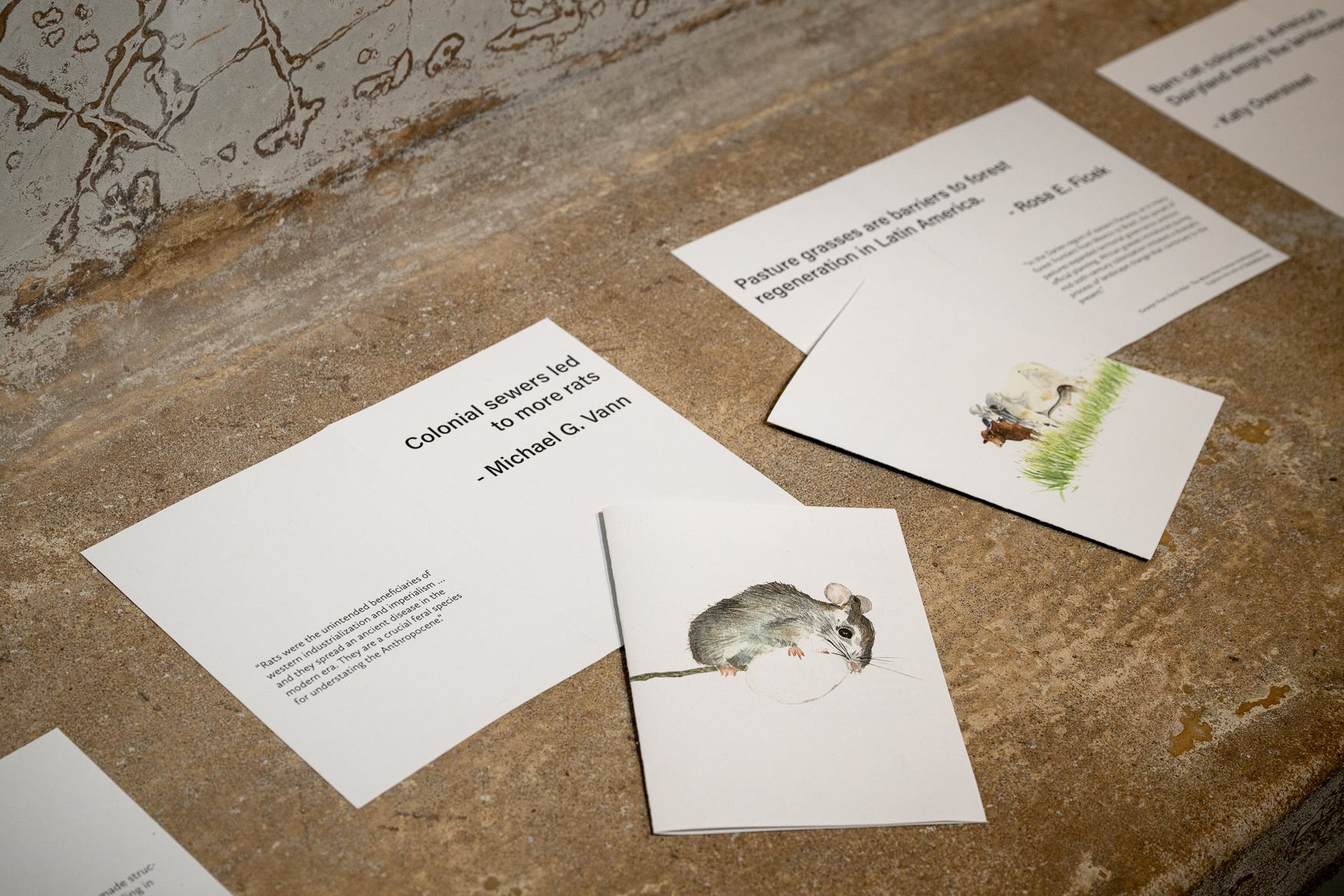
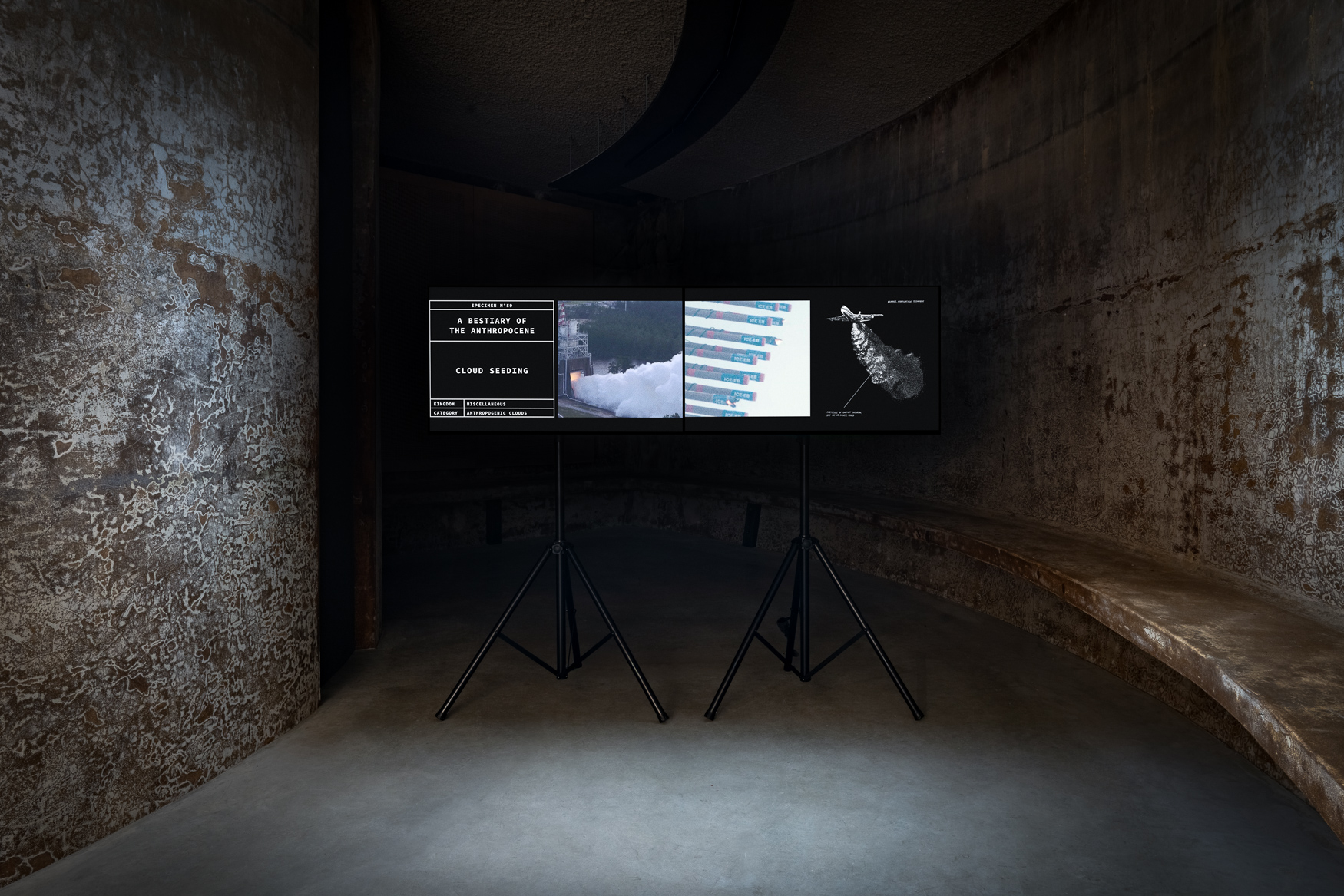
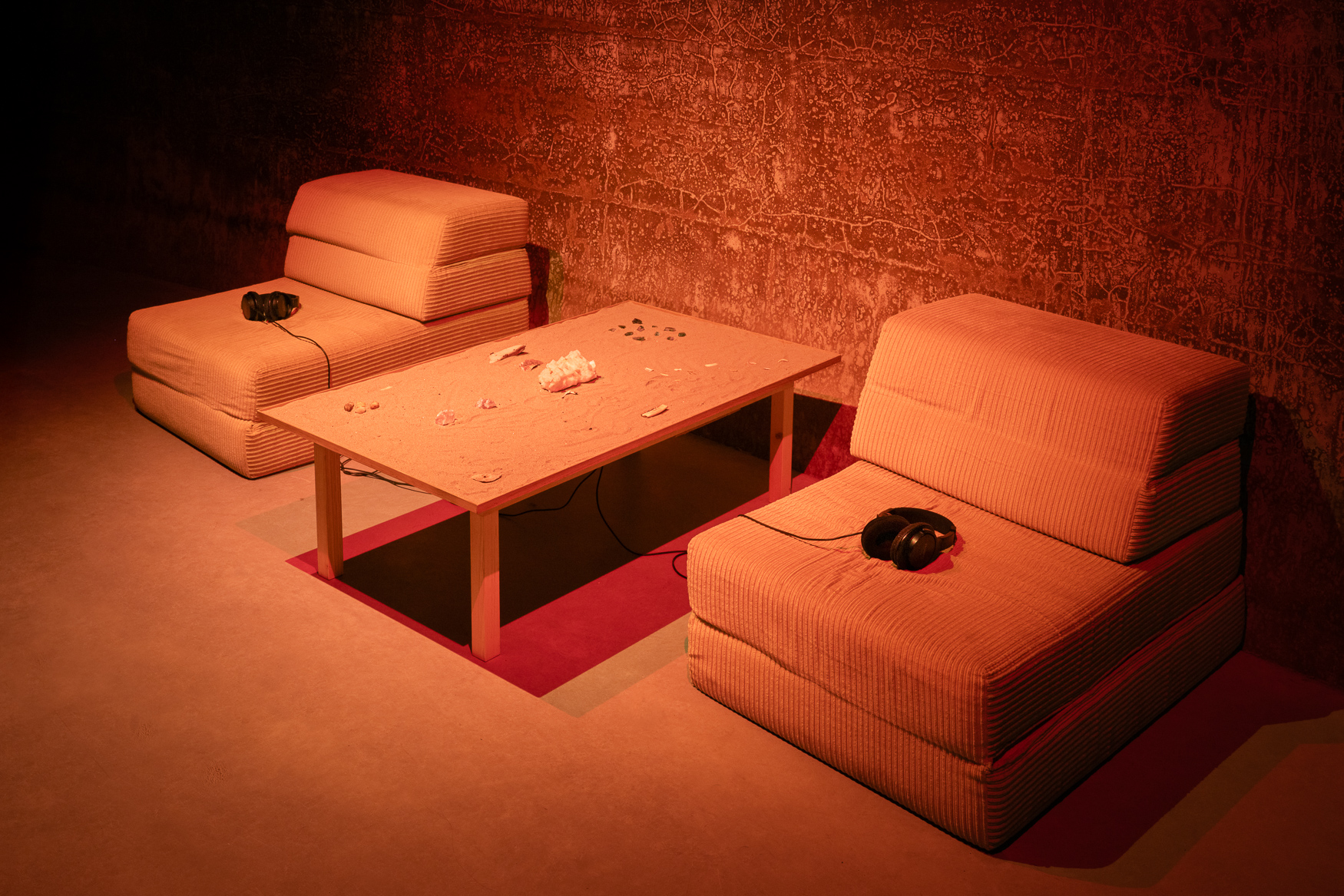
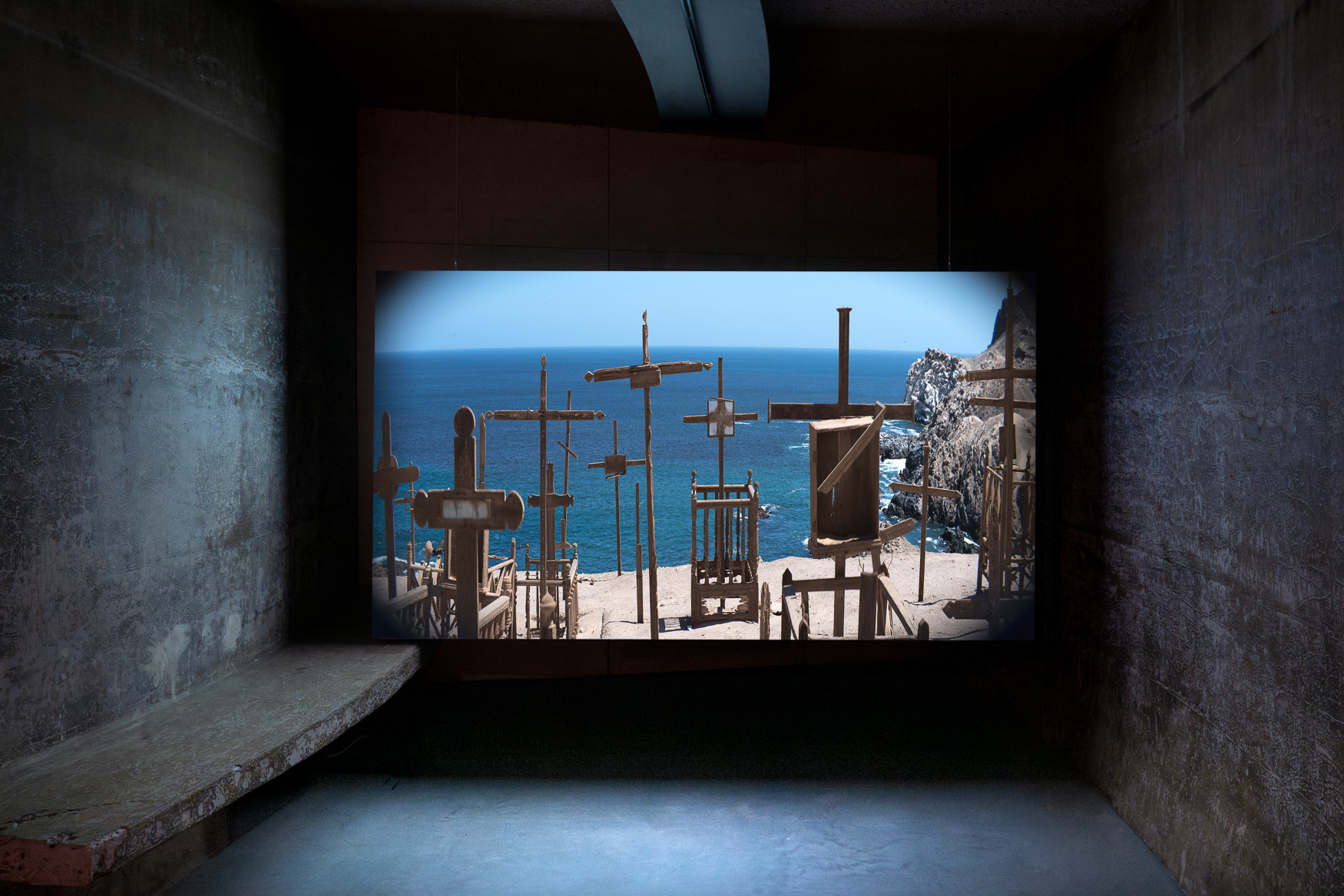
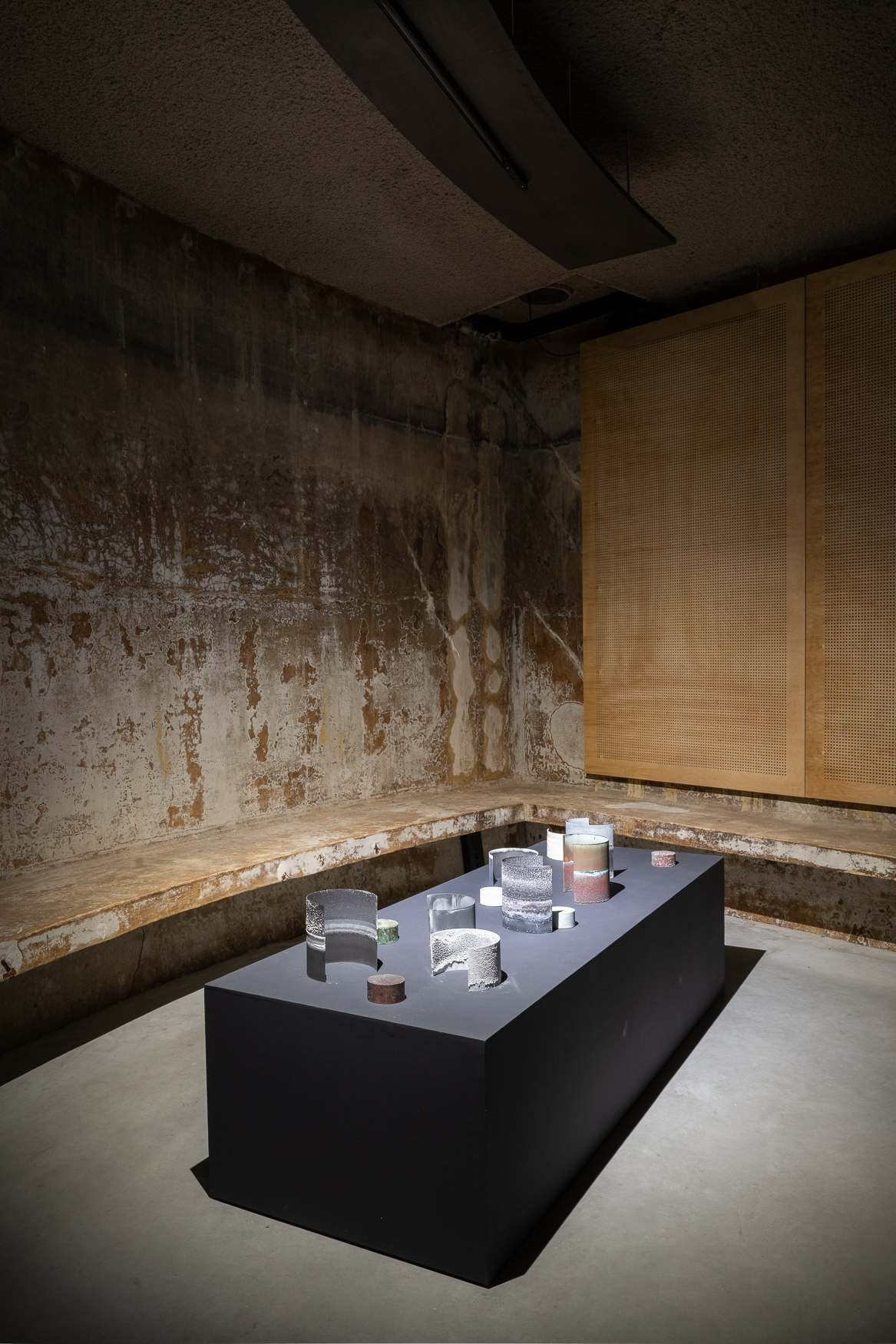
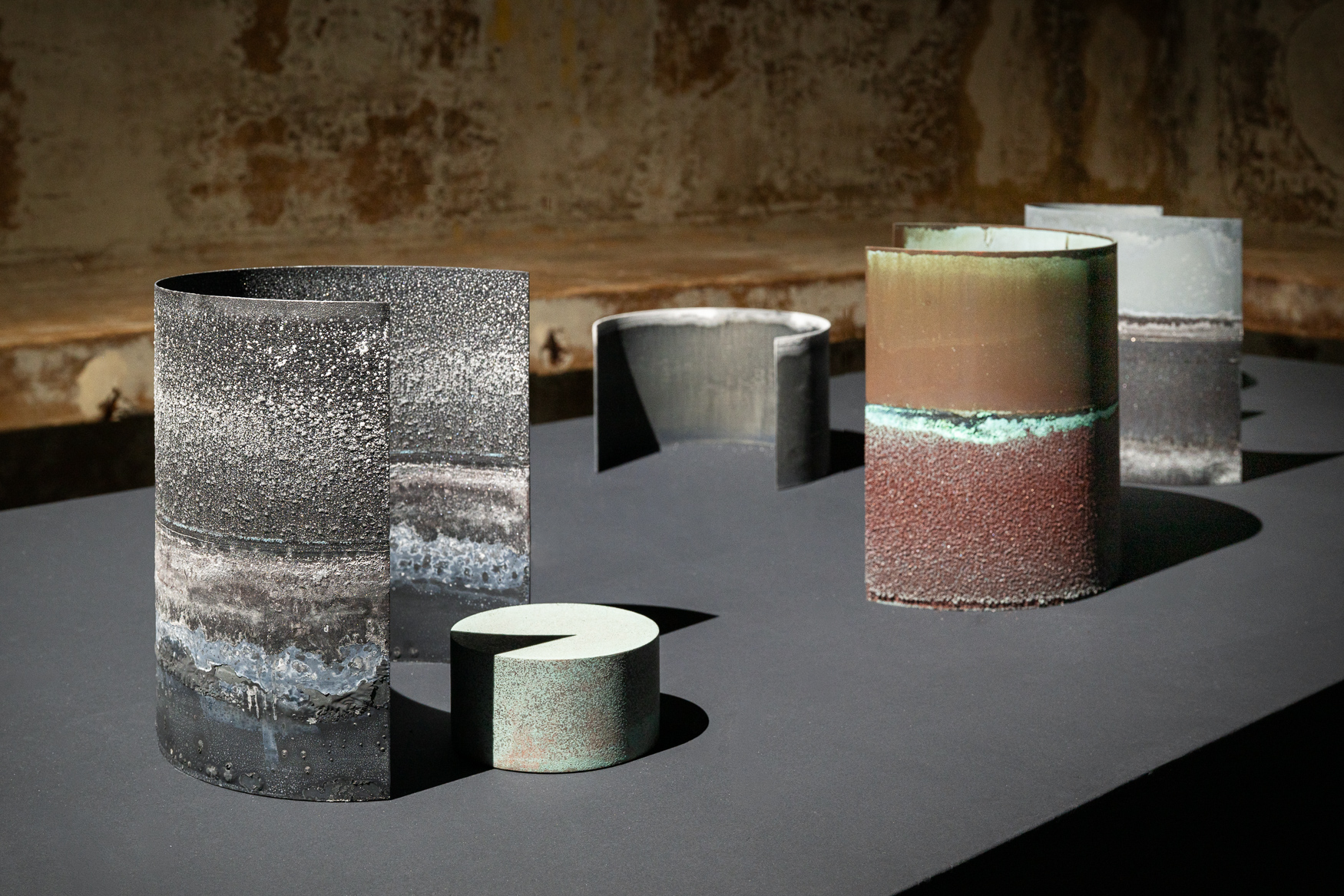
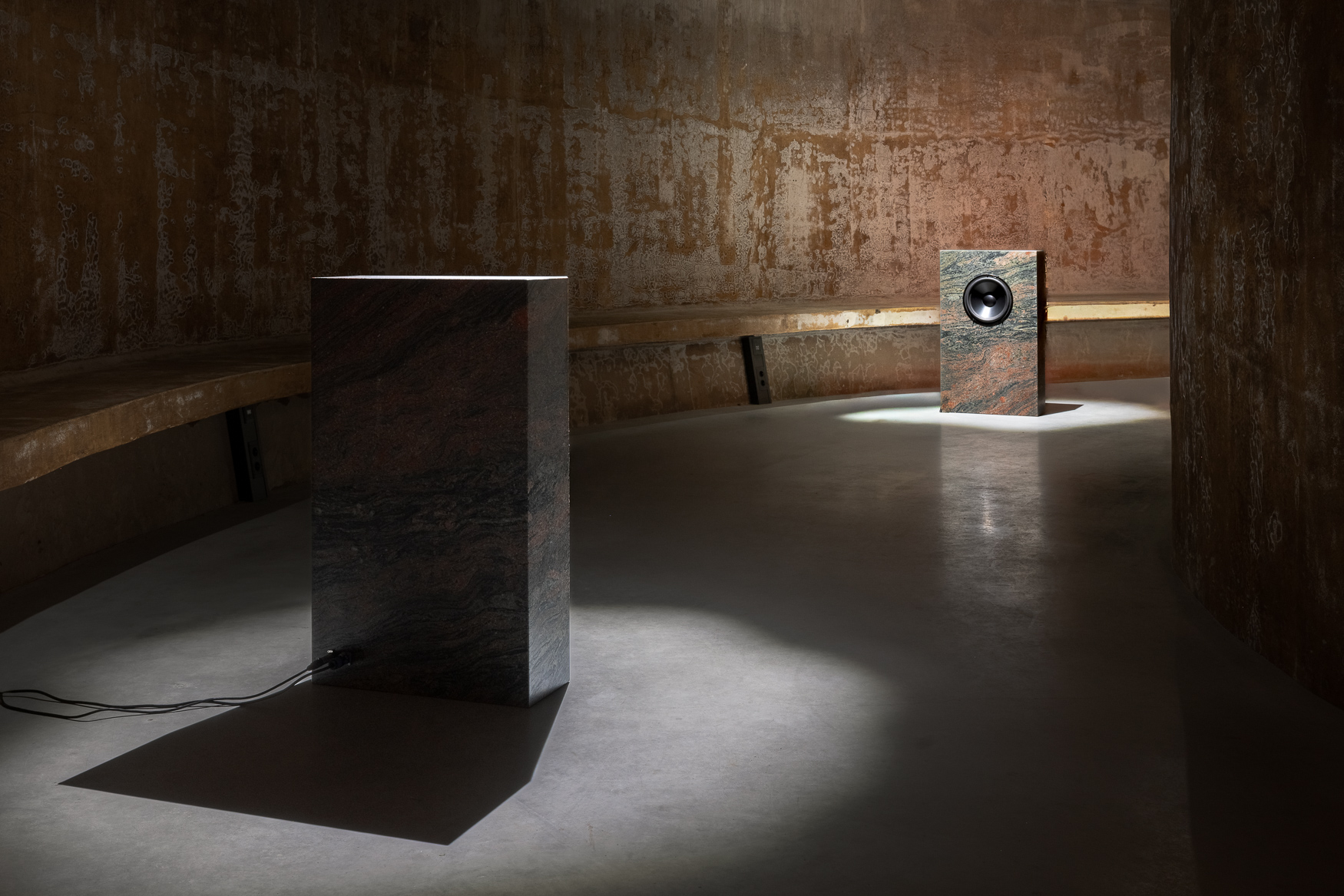
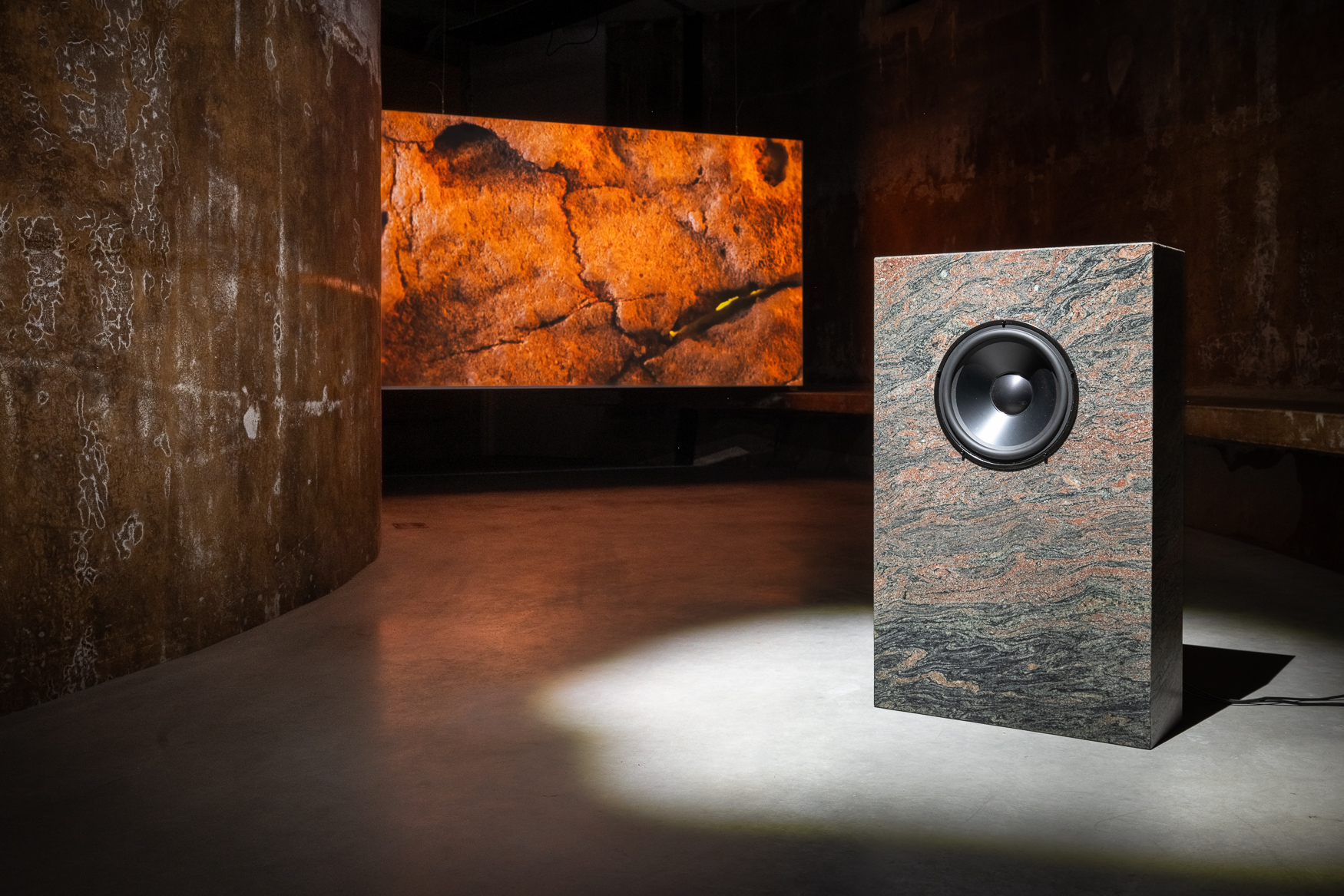
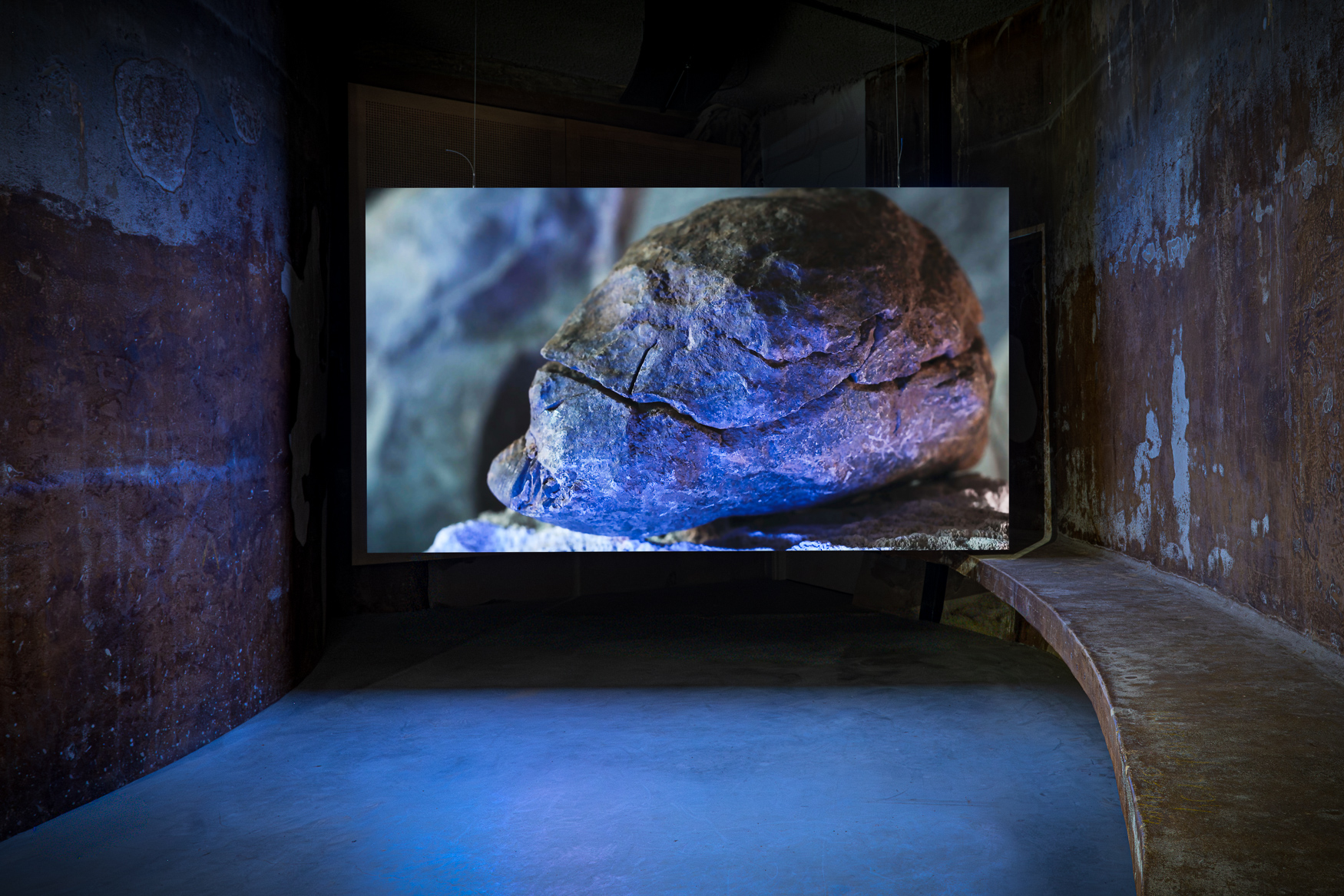
The group exhibition DISMANTLE THE ANTHROPOCENE serves as the public conversation starter for RADIUS’ 2026 year-programme YOU AND I ARE EARTH. The exhibition departs from the assertion that we are living in a new geological epoch: the Anthropocene. In this new era, human activity has irreversibly transformed the composition of the atmosphere, the oceans, and even the surface of the Earth. Humans have thus, allegedly, become a force on a geological scale, to such a degree of impact that we now constitute a full-fledged geological force capable of altering the sum of planetary processes.
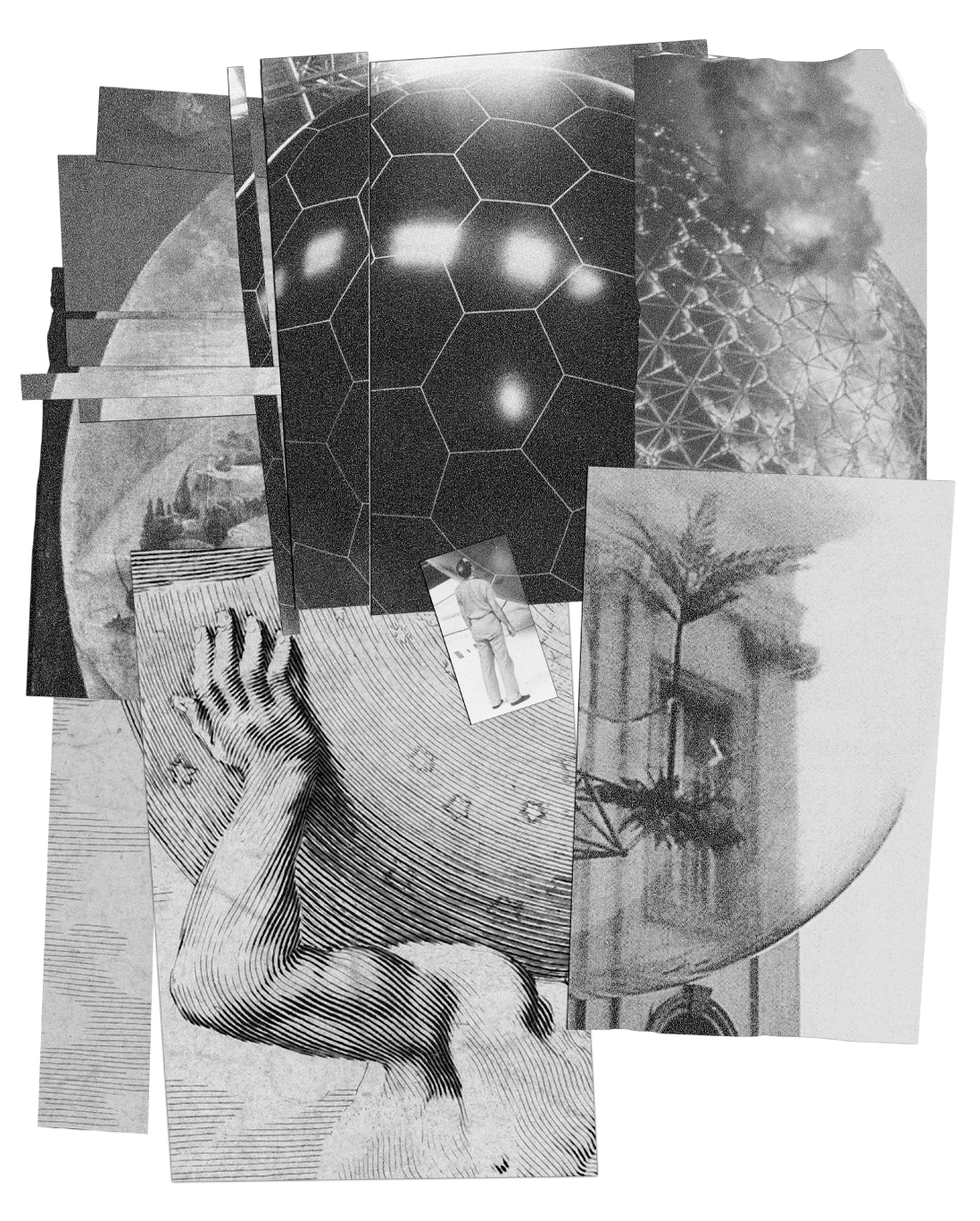
Campaign image for DISMANTLE THE ANTHROPOCENE, by Özgür Deniz Koldaş.
Yet the Anthropocene concept has remained disputed for over two decades now, both in geological terms—there is no consensus among geologists and stratigraphers—and in social, political and cultural terms—since it risks reaffirming universalism and human exceptionalism. As a concept, it may thus repeat the very universalism that produced the crisis it seeks to diagnose: to speak of anthropos as a single agent is to smooth over asymmetries of power, responsibility, and vulnerability, and to obscure the colonial, capitalist, and racialised histories that have rendered some humans noteworthy geological while others are made disposable.
In this sense, the Anthropocene is less a neutral geologic descriptor than a seemingly groundless narrative arc that consolidates and covers over a singular and monumental story of world management, ongoing exhaustion through petropolitics, corresponding geo-engineering and technofixes, whilst foregrounding a species-level “we” that neutralises the asymmetrical power relations of extraction. In short, the Anthropocene seems to be a view from nowhere: “an event horizon largely lacking fossils.”
Rather than accepting the idea that “humanity” carries the burden of anthropogenic climate change on its shoulders like the titan Atlas holding up the heavens, this exhibition positions humans as earthbound beings in the late Holocene.
From this interglacial moment, we journey into deep geological time and return the human to its mineral and fossil origins, in contrast to the biological-cultural exceptionalism the species so often claims for itself.
In an era of carbon chauvinism, in which fossils are “freely” burned and excessive quantities of carbon are propelled into the atmosphere, this exhibition aims to develop a counterpoint to the centripetal force of the dominant Anthropocene narrative, which privileges the exceptionalism of a particular, disembodied figure of “humankind”. It does so by telling centrifugal stories that acknowledge the vast inequalities produced by the different forces transforming the planet.
The term “Anthropocene” was popularised at the turn of the millennium by atmospheric chemist Paul Crutzen, who proposed that the relatively stable conditions of the Holocene had given way to a new epoch in which human activities rival the forces of Earth history.
Industrialisation, fossil-fuel combustion, large-scale agriculture, urbanisation, and nuclear testing have left their imprints on ice cores, sediments, and biogeochemical cycles. From this perspective, humanity appears as a planetary agent, capable of altering climate systems, driving mass extinction, and reshaping the lithosphere itself. Crutzen’s intervention was both diagnostic and cautionary: by naming a new epoch, he sought to draw attention to the unprecedented scale of human impact and to the urgency of collective responsibility. However, this narrative has simultaneously generated its most persistent problems. To speak of “the human” as a geological force risks flattening profound differences in historical responsibility. It conflates the industrialised, colonial, and capitalist trajectories that produced the vast majority of atmospheric carbon with the lives of those who have contributed least and suffered most. Moreover, the Anthropocene often reinstates a modern, Promethean image of the species as a self-imposed custodian of the planet, now tasked with stabilising the Earth system through ever more far-sought forms of monitoring, modeling, and technological intervention.But who needs an icebreaker when you can count on melting ice?
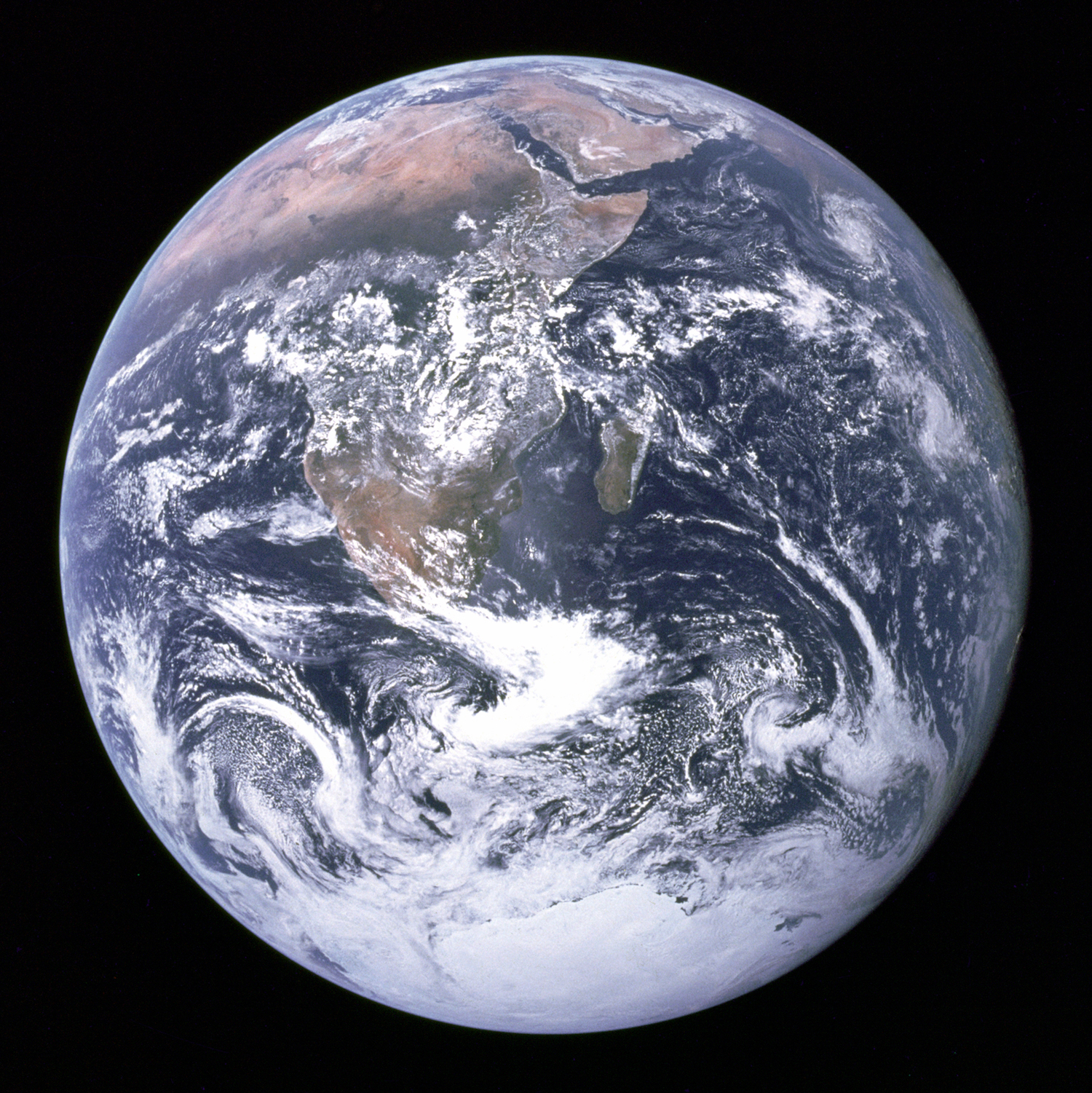
The Earth as seen from Apollo 17, 1972.
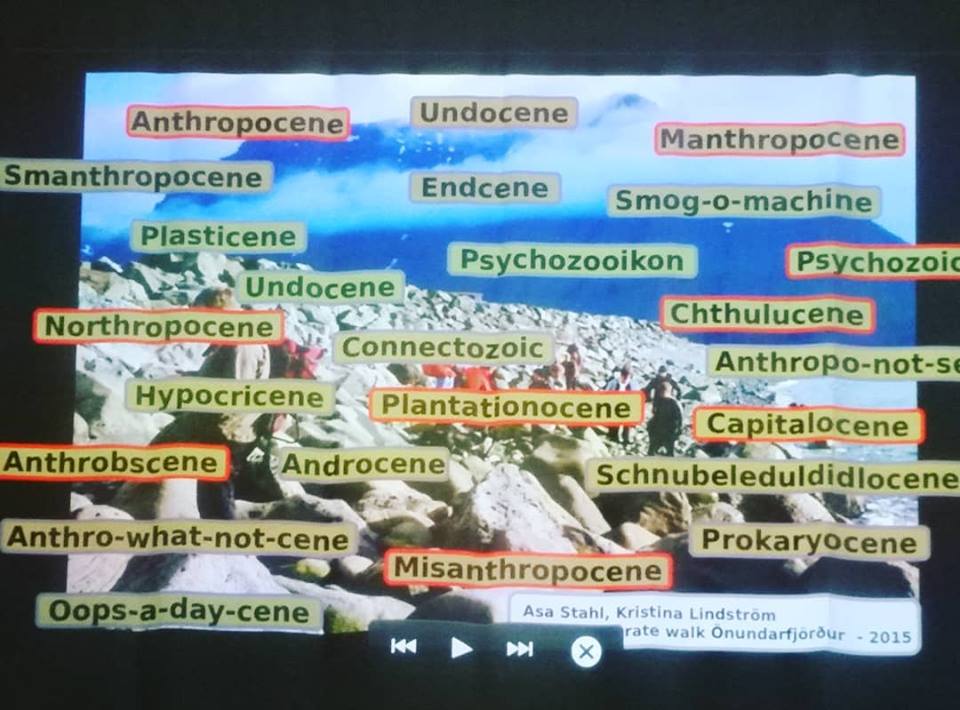
From an artistic and cultural perspective, equally, the Anthropocene has been accompanied by a proliferation of images of planetary totality—melting glaciers, burning forests, the fragile blue marble suspended in space—that, while capable of generating affect and awareness, also risk producing a paralysing sense of scale in which agency dissolves into the stasis. The exhibition DISMANTLE THE ANTHROPOCENEtherefore does not propose yet another era-defining label—following the proliferation of ‘cenes, among the Capitalocene, Chthulucene, and Plantationocene—but a reorientation: from a conquering gaze from nowhere—the “God trick”—to situated and grounded perspectives on terrestrial response-ability, from the universalist “Anthropos” to the asymmetric, material and more-than-human collectives that compose life in the late Holocene.
To speak of the late Holocene is by no means to deny climatic and geological transformation, but rather to refuse the seemingly clean rupture and transition implied by the Anthropocene’s epochal naming, foregrounding continuity and situating present crises within extensive histories of colonialism, racial capitalism, and extractivism. In this shift, the task becomes to differentiate worlds from earths, to trace the racial and colonial strata of geology, and to recognise the mineral composition of the human. The four clusters that comprise this exhibition—Business-as-Usual, From Cosmos to Commons, The Afterlives of Geology, and Becoming Mineral—account for this necessary reorientation away from the Anthropocene, from a critique of carbon chauvinism and its technocratic fantasies, through a re-grounding in planetary kinship, whilst acknowledging histories of oppression and dispossession, towards a grounded notion of the human as a mineral entity, as manifestly earthbound. In short, this exhibition proposes a set of situated practices for inhabiting a damaged planet, on learning how to live—and become—with it through cooperation, whilst being co-responsible for the entirety of the environments we make and inhabit.
Fred Pearce, With Speed and Violence: Why Scientists Fear Tipping Points in Climate Change (Boston: Beacon Press, 1992), 44.
↩
Kathryn Yusoff, A Billion Black Anthropocenes or None (Minneapolis: University of Minnesota Press, 2018), 3.
↩
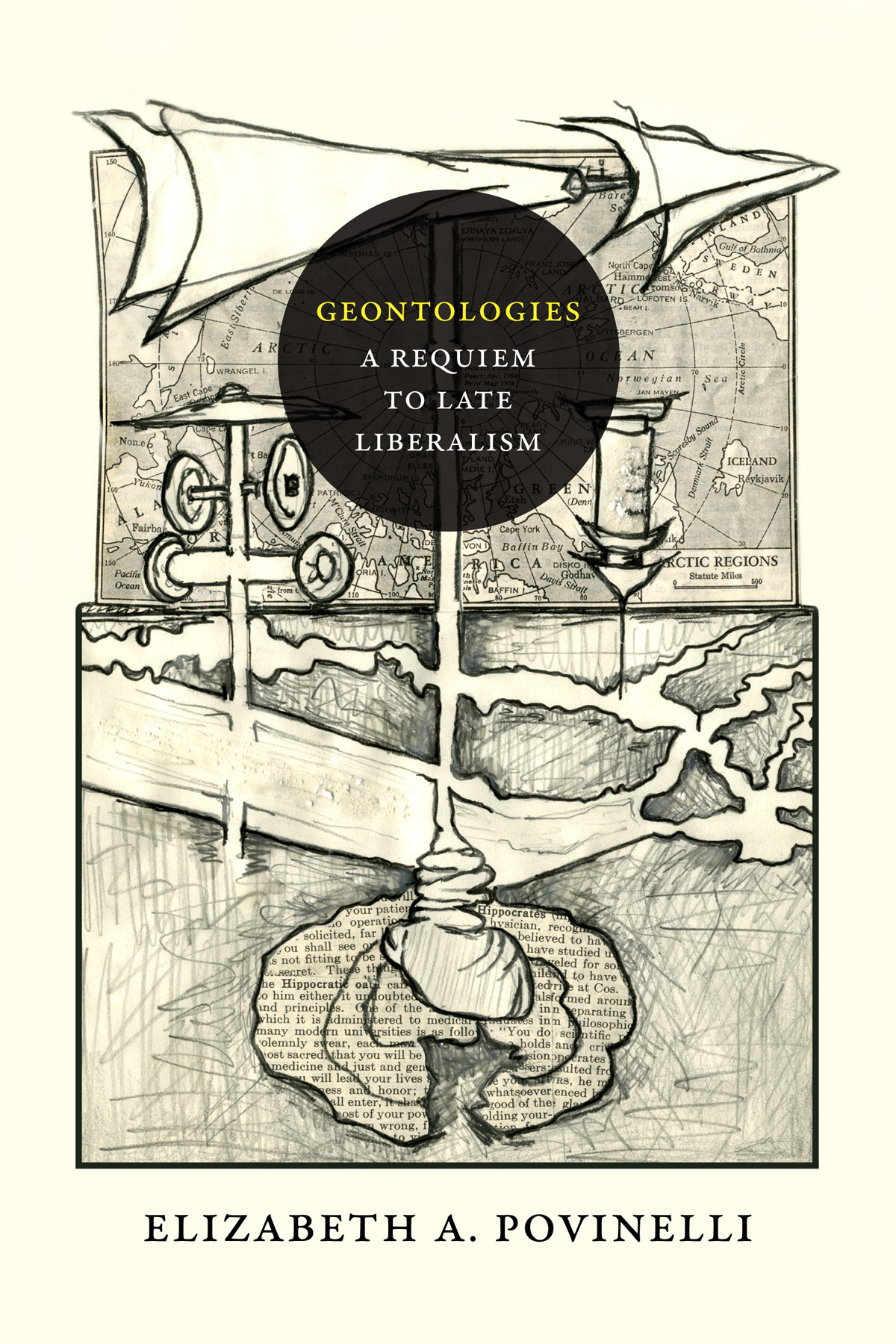
Elizabeth A. Povinelli, Geontologies: A Requiem to Late Liberalism (Durham, NC: Duke University Press, 2016), 11.
↩
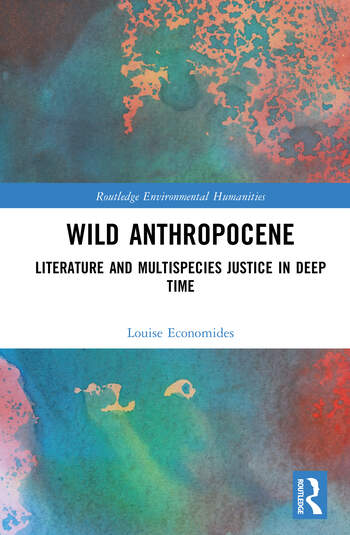
“Deep time creates a scalar disjunction that Timothy Clark dubs “Anthropocene disorder”: the discovery of massive geological timescales reduces humanity’s significance even as humanity has become a geological agent itself. Action that is insignificant on an individual level becomes catastrophic at the species level, and these shifting scales disorder how we perceive and understand agency and responsibility, potentially debilitating political action.” Source: George Hart, ‘Wild Anthropocene: Literature and Multispecies Justice in Deep Time, by Louise Economides,’ Jeffers Studies 23 (2025), Article 11, Illinois State University Digital Commons. (link)
↩
Baptiste Morizot, Het levende laten opvlammen. Een collectief front (Amsterdam: Octavo, 2022), 213.
↩
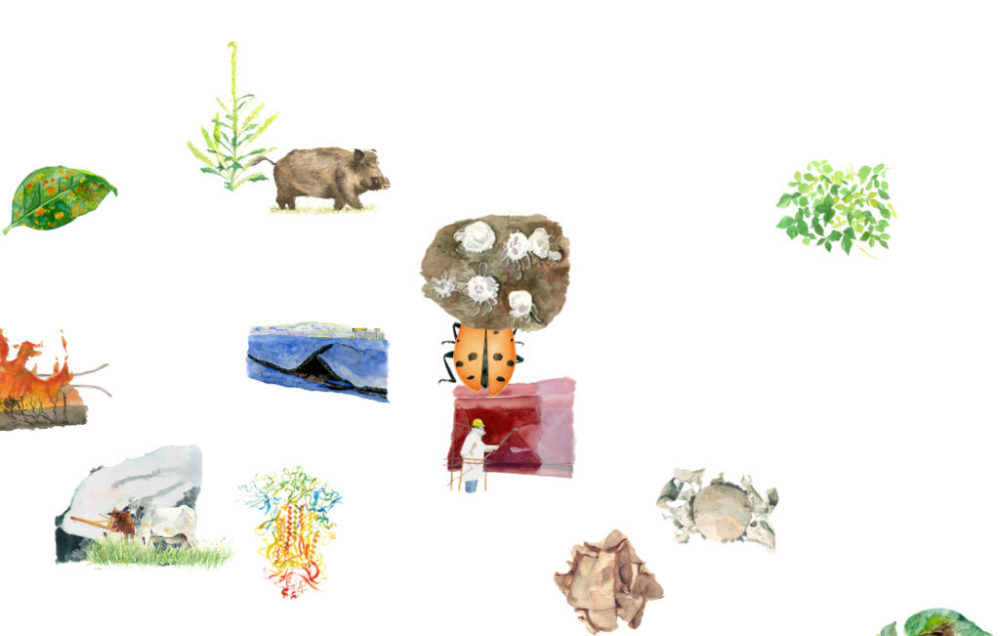
Anna Lowenhaupt Tsing, Jennifer Deger, Alder Keleman Saxena & Feifei Zhou, ‘What is the Anthropocene?,’ in Introduction to Feral Atlas, Feral Atlas: The More-Than-Human Anthropocene, Stanford University Press Digital Project (2020). (link)
↩
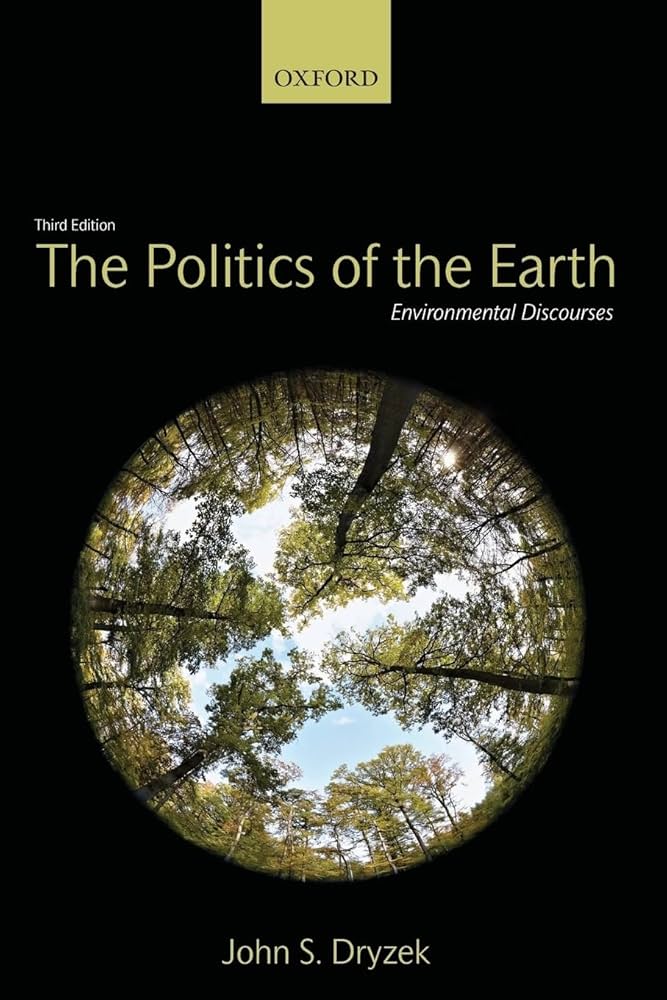
Prometheanism is a term popularised by theorist John Dryzek to describe an environmental orientation which perceives the Earth as a resource whose utility is determined primarily by human needs and interests and whose environmental problems are overcome through human innovation. The term was introduced in Dryzek’s work, The Politics of the Earth: Environmental Discourses (1997).
↩
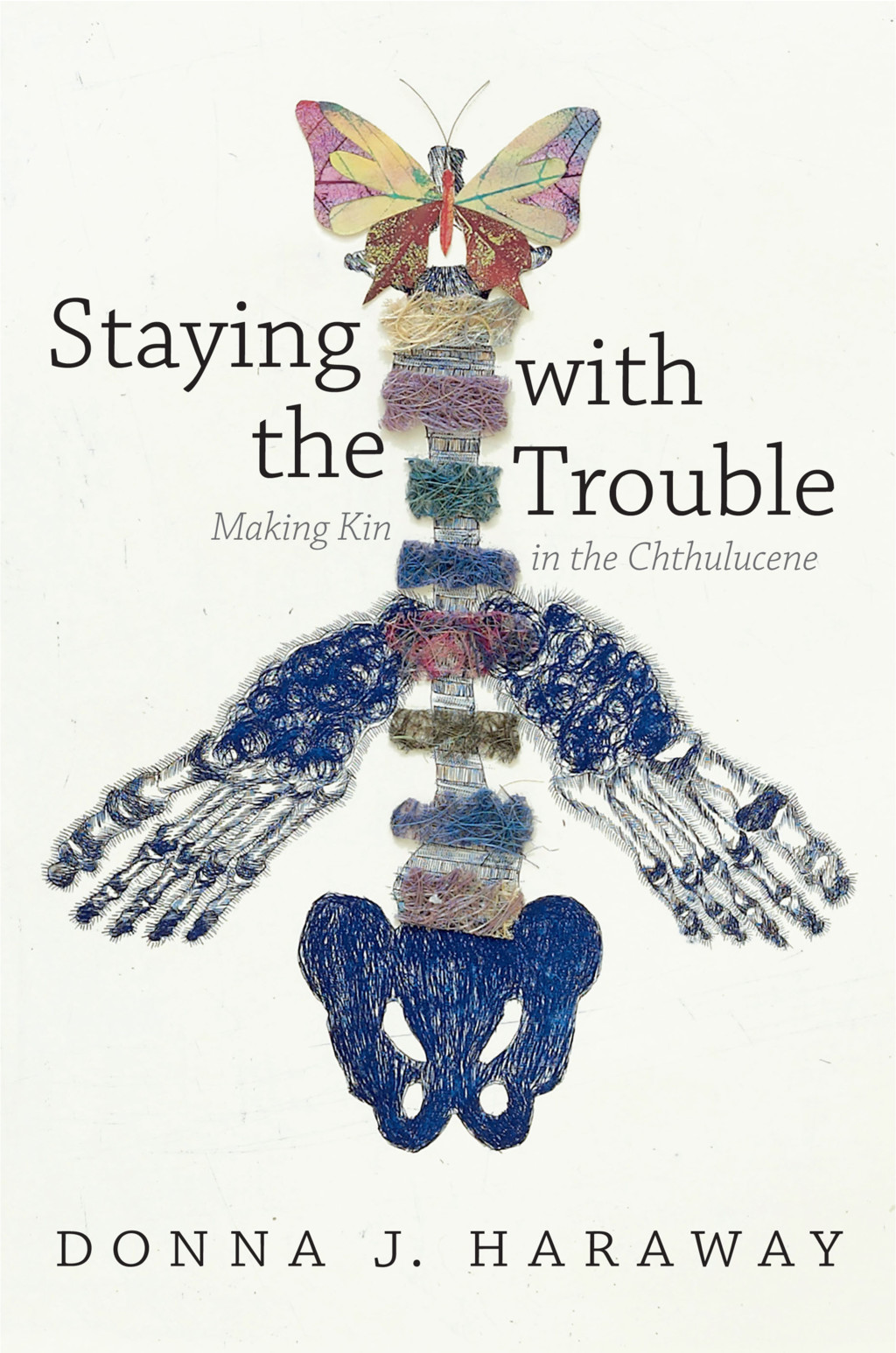
Donna J. Haraway, Staying with the Trouble: Making Kin in the Chthulucene(Durham, NC: Duke University Press, 2016), 46.
↩
Curated by Niekolaas Johannes Lekkerkerk, with the assistance of Maria Maia Gonçalves Balz.
The RADIUS 2026 year-programme YOU AND I ARE EARTH, of which this exhibition is a part, has been made possible with support from the Mondriaan Fund, the Municipality of Delft, BNG Cultuurfonds, and the Van der Mandele Stichting. We thank them kindly for their support!


 In this sense, the Anthropocene is less a neutral geologic descriptor than a seemingly groundless narrative arc that consolidates and covers over a singular and monumental story of world management, ongoing exhaustion through petropolitics, corresponding geo-engineering and technofixes, whilst foregrounding a species-level “we” that neutralises the asymmetrical power relations of extraction. In short, the Anthropocene seems to be a view from nowhere: “an event horizon largely lacking fossils.”
 From this interglacial moment, we journey into deep geological time and return the human to its mineral and fossil origins, in contrast to the biological-cultural exceptionalism the species so often claims for itself.
  In an era of carbon chauvinism, in which fossils are “freely” burned and excessive quantities of carbon are propelled into the atmosphere, this exhibition aims to develop a counterpoint to the centripetal force of the dominant Anthropocene narrative, which privileges the exceptionalism of a particular, disembodied figure of “humankind”. It does so by telling centrifugal stories that acknowledge the vast inequalities produced by the different forces transforming the planet.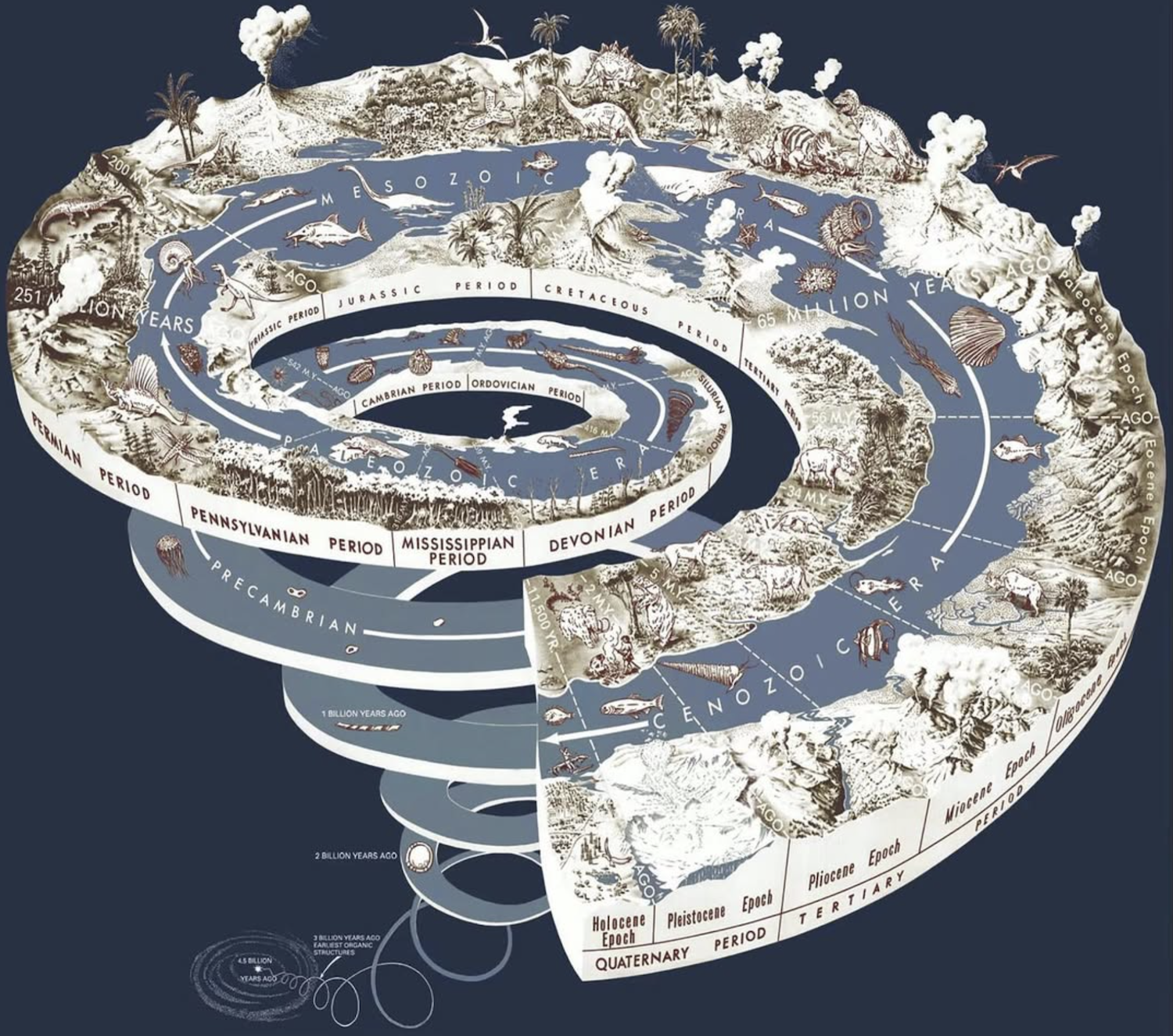
 Industrialisation, fossil-fuel combustion, large-scale agriculture, urbanisation, and nuclear testing have left their imprints on ice cores, sediments, and biogeochemical cycles. From this perspective, humanity appears as a planetary agent, capable of altering climate systems, driving mass extinction, and reshaping the lithosphere itself. Crutzen’s intervention was both diagnostic and cautionary: by naming a new epoch, he sought to draw attention to the unprecedented scale of human impact and to the urgency of collective responsibility. However, this narrative has simultaneously generated its most persistent problems. To speak of “the human” as a geological force risks flattening profound differences in historical responsibility. It conflates the industrialised, colonial, and capitalist trajectories that produced the vast majority of atmospheric carbon with the lives of those who have contributed least and suffered most. Moreover, the Anthropocene often reinstates a modern, Promethean image of the species as a self-imposed custodian of the planet, now tasked with stabilising the Earth system through ever more far-sought forms of monitoring, modeling, and technological intervention.
  But who needs an icebreaker when you can count on melting ice?